




By Suleiman Aremu | Solaremnews | Wednesday, September 2, 2026
The Nigerian Content Development and Monitoring Board (NCDMB) has called for stronger collaboration among African countries to develop local capacity, improve competitiveness and transform the continent’s abundant natural resources into sustainable industrial and economic opportunities.
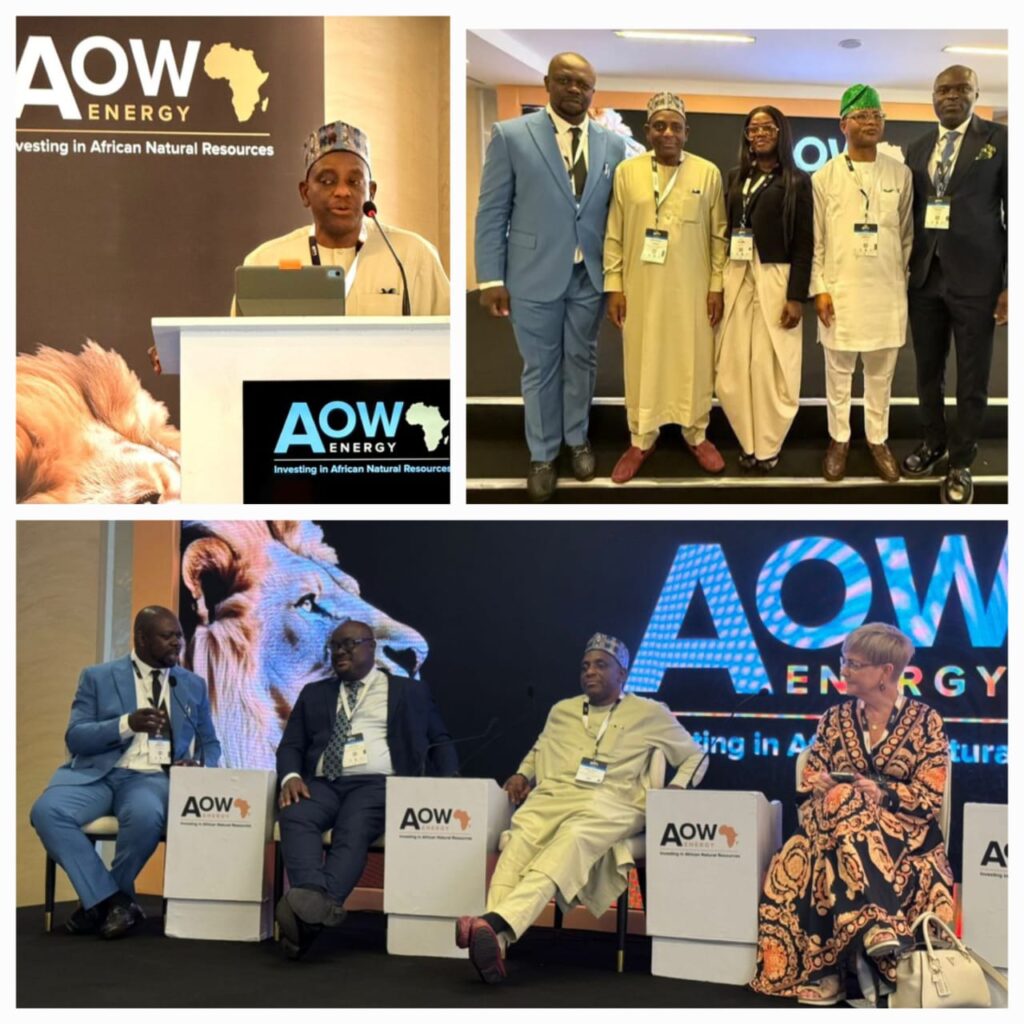
The call was made on Tuesday at the Africa Local Content Programme, held as part of the ongoing Africa Oil Week 2026 in Accra, Ghana, where the NCDMB played a prominent role in discussions on the future of Africa’s oil, gas and upstream energy industry.
Africa Oil Week is a major international conference, networking and exhibition platform that brings together governments, regulators, industry leaders, investors and energy service providers to deliberate on policies, investment opportunities, discoveries and strategies for shaping Africa’s energy future.
The Africa Local Content Programme, themed “Building African Capacity, Competitiveness and Collaboration Across the Upstream Value Chain,” was organised in partnership with the NCDMB, the African Union and the Petroleum Commission Ghana.
Delivering the opening remarks on the theme “From Resource Ownership to Industrial Power,” the Executive Secretary of the NCDMB, Engr. Felix Omatsola Ogbe, represented by the Board’s Director of Corporate Services, Dr Abdulmalik Halilu, said African countries must move beyond ownership of natural resources to building sustainable industrial capacity around those resources.
Halilu stressed the need for African nations to create greater value from their natural resources while positioning indigenous businesses to compete effectively in the global marketplace.
He said local content frameworks should not be restricted to individual countries but should encourage the development and utilisation of cross-border African capacities as a means of accelerating the continent’s industrialisation.
According to him, the local content value proposition encompasses research and technology development, local employment, strategic partnerships, ownership and control of assets, supply chain optimisation, sustainable operations, increased production and utilisation of locally manufactured goods, as well as contributions to gross domestic product.
He noted that strengthening these areas would enable African countries to retain greater value from their natural resources, develop indigenous enterprises and create a more integrated regional energy industry.
Other NCDMB officials also participated actively in strategic sessions during the Africa Oil Week programme, contributing the Board’s experience in local content development, financing, capacity building and industrialisation.
The Director of Planning, Research and Statistics, Mr Ajimijaye Omomehin, participated in discussions on “Harmonising and Standardising Technology and Policy: Driving Change through the Brazzaville Accord,” where participants examined the importance of aligning policies and technology to promote regional energy development.
Omomehin also contributed to discussions on “Building Regional Oil & Gas Industrial Hubs,” highlighting the importance of regional cooperation in developing integrated industrial ecosystems that can support Africa’s energy sector.
The General Manager, Corporate Communications Division, Dr Obinna Ezeobi, moderated a session titled “Market Entry Insights: Unlocking Africa’s Most Compelling Upstream Opportunities.”
Dr Hailu also joined other industry stakeholders as a panellist during the session, where participants examined strategies and enablers capable of accelerating investment in Africa’s upstream oil and gas sector.
The discussants agreed that effective local content policies could serve as a tool for attracting investment and reducing operational costs, while stressing the need for oil-producing countries to provide regulatory stability and implement other measures capable of boosting investor confidence.
The programme also examined the challenge of financing indigenous businesses and the need to develop sustainable funding mechanisms for local enterprises across Africa.
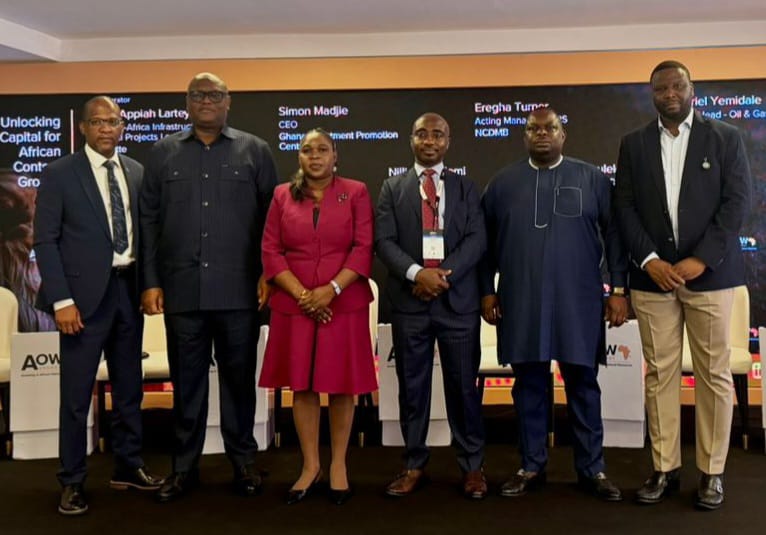
Mr Erefagha Turner, Assistant Manager, Planning, Research and Statistics, contributed to discussions on “Unlocking Capital for African Content Growth,” where he highlighted the importance of creating accessible financing pathways for indigenous businesses seeking to expand their operations and technical capabilities.
Turner cited Nigeria’s Nigerian Content Intervention Fund (NCI Fund) as a successful financing model that has supported service companies in developing and expanding their capacities.
He said experiences from Nigeria could provide useful lessons for other African countries seeking innovative financing mechanisms to strengthen indigenous participation in the oil and gas industry.
The Manager, Institutional Strengthening and Capacity Building, Engr. Dokubo Obongo, participated in discussions on “Investing in Talent: Building Africa’s Energy Workforce.”
He emphasised the importance of skills development and sustained investment in human capital, describing them as essential requirements for developing a globally competitive African energy workforce.
Participants at the various sessions identified access to capital, policy harmonisation, technology development, talent development and regional collaboration as critical factors required to transform Africa’s natural resources into sustainable industrial and economic opportunities.
The discussions further underscored the need for African countries to leverage their combined capabilities, expertise and resources rather than operate in isolation, particularly as the continent seeks to increase local participation and retain more value from its oil and gas resources.
The NCDMB’s active participation in the Africa Oil Week 2026 programme reinforces its commitment to promoting local content development, strengthening indigenous capacity and supporting collaboration among African countries.
The Board said its engagement was also consistent with its broader objective of promoting an integrated, competitive and sustainable energy industry in Africa through capacity development, technology, financing, policy cooperation and increased utilisation of locally produced goods and services.


Other Articles


No Comment! Be the first one.