




By Suleiman Aremu | Solaremnews | Friday, September 4, 2026
The Nigeria Customs Service (NCS) has underscored the strategic importance of effective communication in driving institutional reforms, trade facilitation, revenue generation, anti-smuggling operations and stakeholder engagement, with particular emphasis on its B’Odogwu digital modernisation platform.
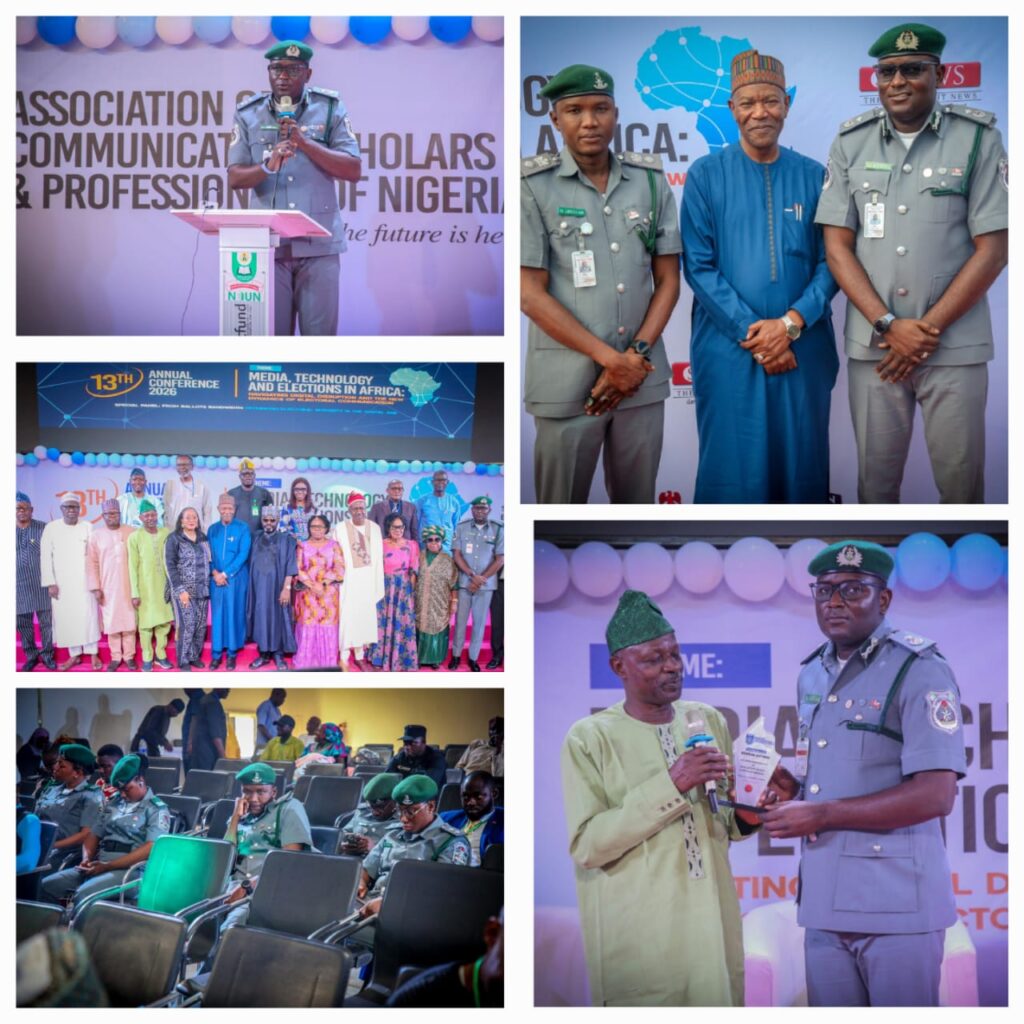
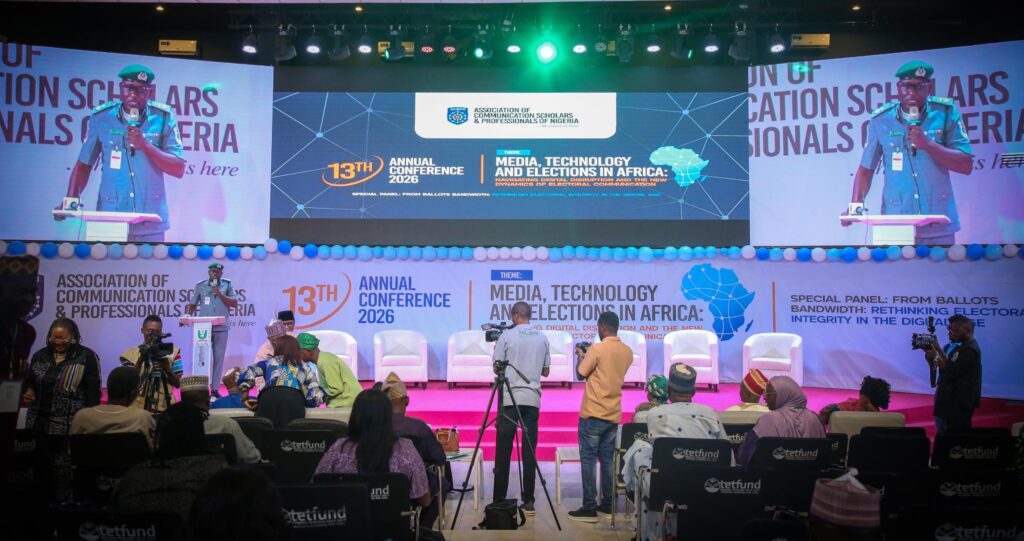
The National Public Relations Officer of the Service, Deputy Comptroller of Customs Abdullahi Maiwada, stated this on Wednesday, September 2, 2026, while representing the Comptroller-General of Customs, Adewale Adeniyi, at the 13th Annual Conference of the Association of Communication Scholars and Professionals of Nigeria (ACSPN), held at the National Open University of Nigeria, Abuja.
Maiwada said communication remained central to the successful implementation of the Customs Service’s mandate, stressing that technological and institutional reforms could only deliver their intended benefits when properly understood and communicated to relevant stakeholders.
“Our critical role in trade facilitation, revenue generation and anti-smuggling cannot be effective without effective communication,” he said.
The Customs spokesman explained that the Service had continued to deploy technology and innovative approaches to strengthen its operations, identifying B’Odogwu as a major component of its digital transformation agenda.
According to him, B’Odogwu represents an innovative trade model that is attracting attention beyond Nigeria, reflecting the Service’s efforts to modernise customs processes, improve efficiency and facilitate legitimate trade through technology.
Maiwada also highlighted the NCS “Town and Gown” initiative, which he said was designed to bridge the gap between academic knowledge and professional communication practice.
He disclosed that the initiative had already commenced at Bayero University, Kano, and in Port Harcourt, with plans to further deepen the integration of academia into the activities and engagements of the Customs Service in 2027.
He said stronger collaboration between the NCS and communication scholars and professionals would enable the Service to benefit from contemporary research, professional expertise and emerging communication technologies.
At the same time, he noted that academic institutions would gain practical insights into Customs operations, trade facilitation and institutional communication.
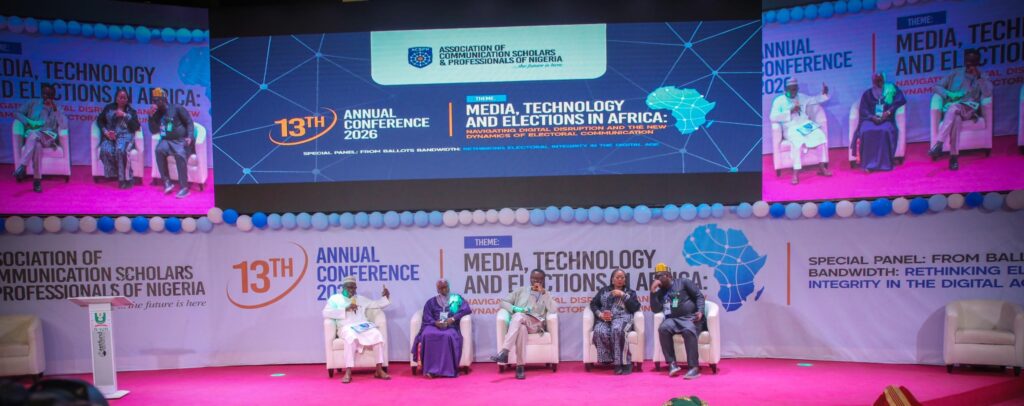
The 13th ACSPN Annual Conference brought together communication scholars, professionals and institutional stakeholders to examine developments in the communication environment and the implications of emerging technologies for democracy and electoral processes ahead of the 2027 general elections.
In his opening remarks, the President of ACSPN, Professor Rotimi Olatunji, stressed the importance of informed citizens, credible media and transparent institutions to the sustenance of constitutional democracy.
A keynote presentation delivered on behalf of the Chairman of the Independent National Electoral Commission (INEC), Professor Sani Adam, also highlighted emerging threats associated with the digital information environment, including deepfakes, artificial intelligence-generated content and candidate impersonation.
The discussions reflected growing concerns over the ability of emerging technologies to influence public opinion, electoral communication and democratic processes, particularly as Nigeria approaches the 2027 general elections.
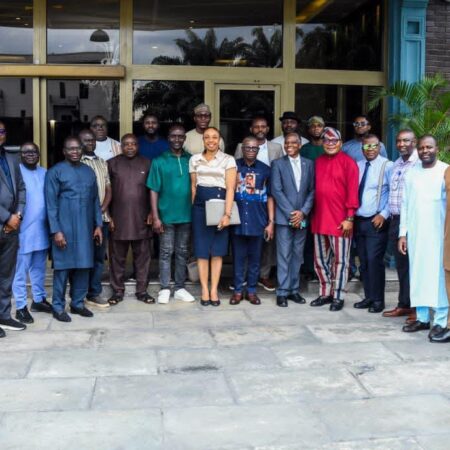
The NCS participation at the conference followed an earlier engagement on Monday, August 31, 2026, when the Service hosted the leadership of ACSPN at its National Headquarters in Abuja.
The meeting focused on strengthening collaboration in digital communication, media engagement and professional development, while exploring ways of deepening ties between communication scholars and the Customs Service.
The conference subsequently provided an avenue for further engagement between the NCS and the communication community, with technical sessions focusing on electoral communication and challenges associated with communication in the digital age.
The event concluded with a dinner and award ceremony where distinguished contributions to communication scholarship and professional practice were recognised.
The NCS said its continued engagement with communication scholars and professionals was part of efforts to strengthen institutional communication, improve stakeholder understanding and support the successful implementation of its ongoing reforms.







No Comment! Be the first one.