




By Suleiman Aremu | Solaremnews | Tuesday 20, October, 2026
The Nigerian Content Development and Monitoring Board (NCDMB) and key oil and gas industry stakeholders have begun efforts to implement recommendations aimed at strengthening the domestic manufacturing of critical equipment and components used in Nigeria’s oil and gas industry.
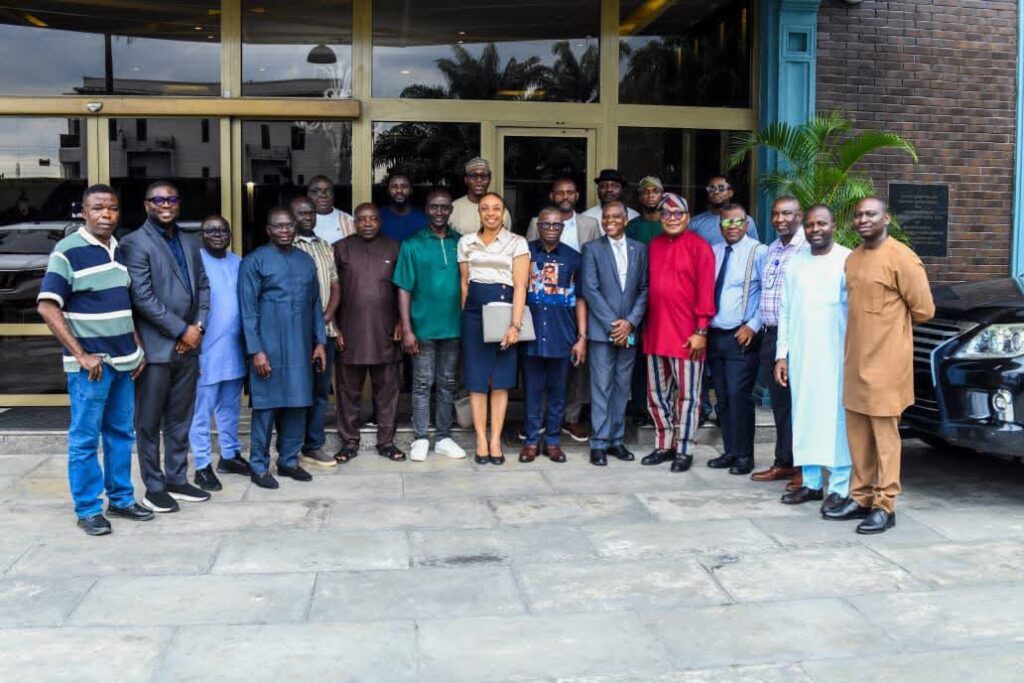
In a press release issued on Tuesday, October 20, 2026, and signed by the General Manager, Corporate Communications Division of the NCDMB, Dr Obinna Ezeobi, the Board said the initiative was expected to expand local manufacturing capacity, empower indigenous enterprises, improve technical competence and reduce the country’s dependence on imported oil and gas equipment.
The development followed a stakeholders’ meeting held on Monday in Port Harcourt, Rivers State, where industry players discussed practical strategies for implementing recommendations contained in a study on in-country manufacturing of essential oil and gas components.
The study focuses on equipment and materials such as pumps, valves, flanges, gaskets, bolts and nuts, metering solutions and instrument fittings, which play important roles in sustaining oil and gas production operations.
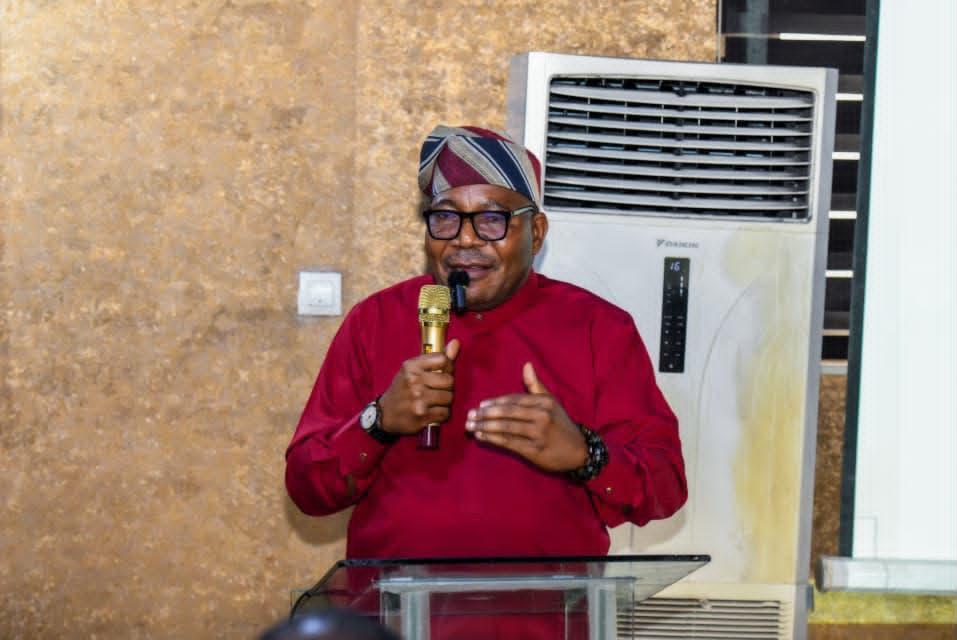
Representing the Executive Secretary of the NCDMB, Engr. Felix Omatsola Ogbe, at the meeting, the General Manager, Institutional Development, Capacity Building Directorate, Mr Olugbenga Sheba, reaffirmed the Board’s commitment to deepening Nigerian content, promoting industrialisation and maximising value retention within the country’s oil and gas industry.
Sheba explained that developing the capacity to manufacture critical industry components locally would strengthen indigenous businesses, improve technical expertise and enable Nigerian companies to participate more effectively in the supply chains of major oil and gas projects.
He noted that the availability of locally manufactured components was essential to advancing Nigerian content, considering their importance in maintaining uninterrupted oil and gas production and their significant contribution to both operating and capital expenditures.
According to him, the initiative is also backed by the Nigerian Oil and Gas Industry Content Development (NOGICD) Act, 2010, which provides for first consideration to be given to Nigerian goods and services in the industry.
He stressed that the NCDMB would ensure that the implementation of the study’s recommendations remained consistent with the provisions of the Act while creating more opportunities for qualified Nigerian companies to grow and compete in the oil and gas sector.
“Today’s rollout is not an isolated initiative; it is an integral pillar of our NCDMB 10-Year Strategic Roadmap, which targets achieving 70% Nigerian Content by 2027,” Sheba stated.
He further explained that implementing the recommendations would advance the technical capability development pillar of the Board’s 10-Year Strategic Roadmap by addressing identified skills gaps, technological deficiencies and limitations in local manufacturing capacity.
Sheba identified infrastructure expansion, structured capacity-building programmes, improved access to capital, strategic partnerships, and effective monitoring, compliance and enforcement as critical areas requiring attention to achieve the initiative’s objectives.
He called on industry stakeholders to demonstrate strong commitment to the implementation process, noting that sustainable progress would depend on effective collaboration among the Board, indigenous manufacturers, oil and gas operators, service companies, financial institutions and other industry players.
In his presentation, the Assistant Manager, Institutional Strengthening, Capacity Building Directorate, Mr Nander Salmwang, disclosed that approximately 60 indigenous companies had been identified during the assessment of local manufacturing capacity.

However, he said only 18 of the companies met the required criteria, highlighting gaps that must be addressed to improve the capacity of Nigerian businesses to manufacture critical oil and gas equipment and components.
Salmwang also highlighted challenges affecting the development and expansion of domestic manufacturing, stressing the need for targeted interventions to bridge existing gaps and enable more indigenous companies to meet industry requirements.
In a related presentation, the Manager of the Nigerian Content Development Fund (NCDF), Mr Emmanuel Yusuf, outlined funding opportunities available through the fund to support indigenous companies and community contractors.
He explained that access to appropriate financing would help local businesses strengthen their operations, improve their capacity and participate more actively in the oil and gas industry’s supply chain.
The meeting also highlighted the importance of the Nigerian Oil and Gas Park Scheme (NOGaPS) in developing the infrastructure and technical capabilities required to support domestic manufacturing.
Participants examined existing opportunities, implementation challenges and practical approaches to increasing indigenous participation in the production of critical equipment and components.
The study, which was commissioned by the NCDMB on July 7, 2022, involved a team drawn from across the oil and gas industry. The team submitted its report on July 12, 2023.
The assessment was undertaken to develop a strategy for the local manufacture of essential oil and gas equipment, following recognition that domestic production of these components was crucial to advancing Nigerian content and reducing dependence on imported supplies.
With the commencement of implementation efforts, the NCDMB is seeking to translate the study’s recommendations into practical interventions that will strengthen local manufacturing, develop indigenous technical expertise and expand opportunities for Nigerian companies within the oil and gas value chain.
The initiative forms part of the Board’s broader efforts to achieve its target of 70 per cent Nigerian content by 2027, while promoting industrial development and greater retention of value within the Nigerian economy.


Other Articles





No Comment! Be the first one.