




Adeniyi says legislative reforms needed to align Nigeria’s customs laws with evolving global trade practices
By Suleiman Aremu | Solaremnews
The Nigeria Customs Service (NCS) has called for comprehensive amendments to its legal framework to align Nigeria’s customs and trade laws with rapidly evolving global practices and provide lasting statutory backing for its ongoing modernisation programme.
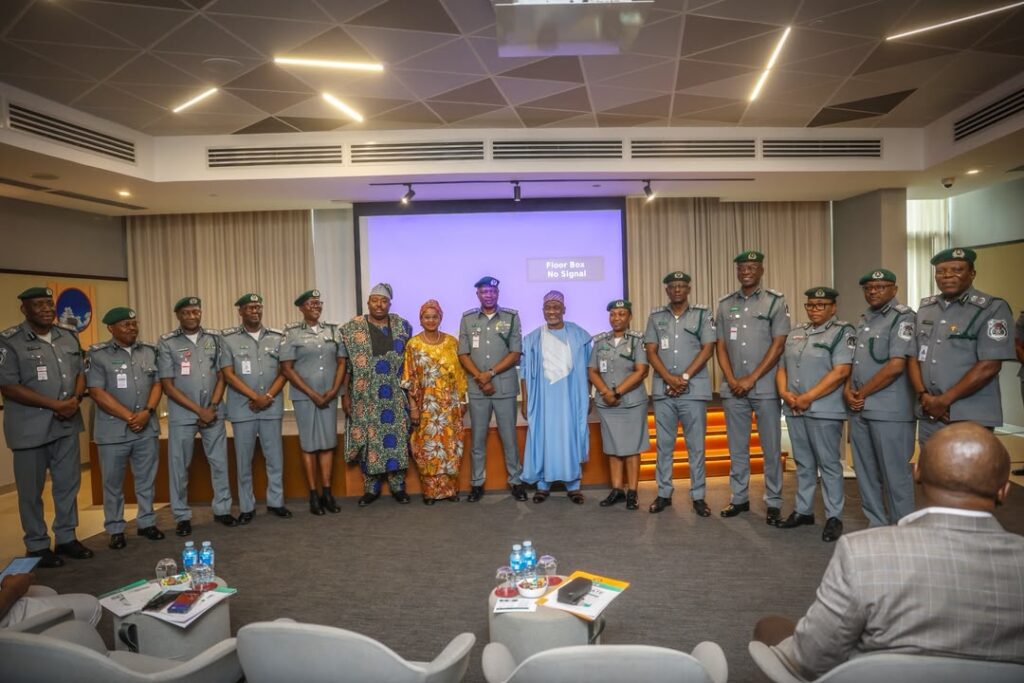
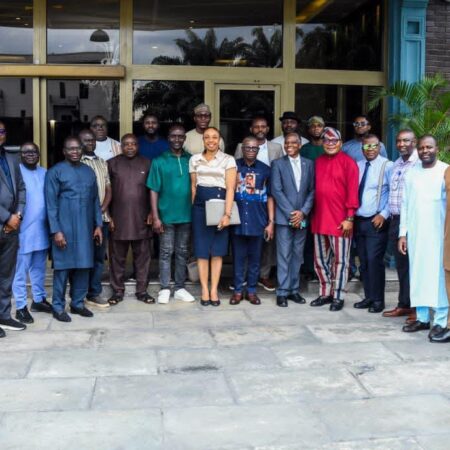
The Comptroller-General of Customs, Adewale Adeniyi, made the call on 5 August 2026 while speaking at a capacity-building retreat organised for the Senate Committee on Customs, Excise and Tariffs.
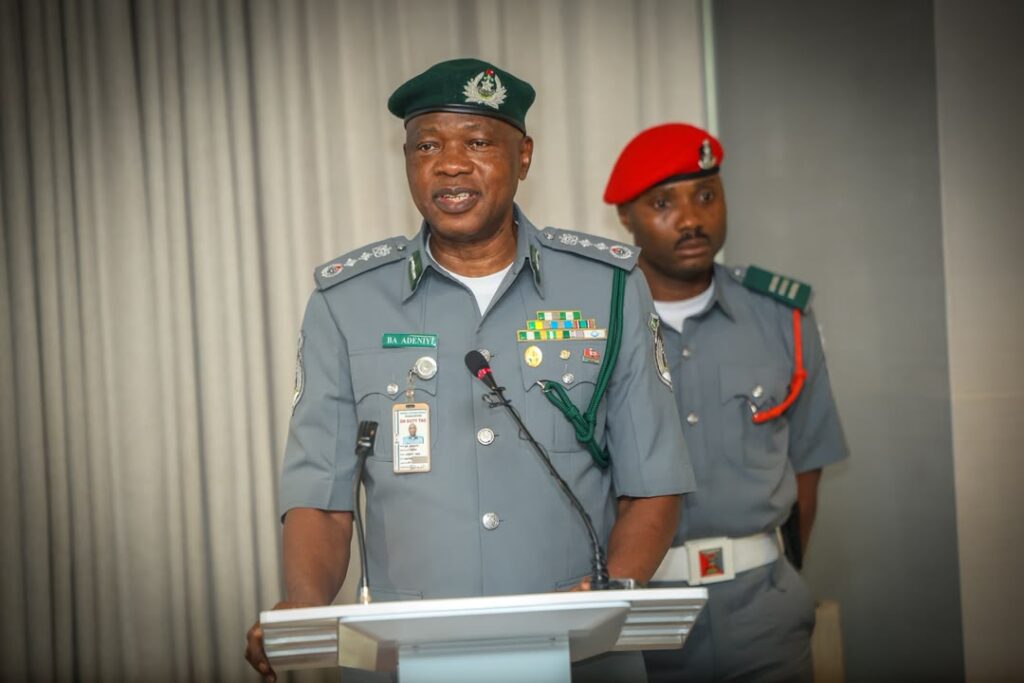
Adeniyi said the retreat was aimed at strengthening the understanding of lawmakers regarding the Service’s digital transformation, operational reforms and emerging customs practices, stressing that effective legislative oversight requires a clear understanding of the complexities of modern customs administration.
According to him, the engagement was designed to bridge information gaps between the NCS and the Senate committee, allowing lawmakers to assess the Service’s transformation from an informed position and provide the necessary legislative support for its continued development.
The Customs boss explained that some provisions of the existing legal framework had served their intended purposes, while others had become difficult to implement or had been overtaken by changes in the international trading environment.
“While some provisions had worked as intended, others had proved difficult to apply or had been overtaken by the rapidly changing trade environment. We are requesting considerable amendments to ensure the Act remains relevant to fast-moving trade policies and supports the Service’s modernisation agenda,” Adeniyi stated.
He emphasised that although the NCS currently enjoys strong support from President Bola Ahmed Tinubu and the NCS Board under the Minister of Finance and Coordinating Minister of the Economy, Taiwo Oyedele, the sustainability of the reforms requires stronger statutory protection.
Adeniyi said legislative backing would ensure that the modernisation initiatives remained stable and continued beyond the tenure of any particular administration.
He noted that customs administration had evolved significantly, with technology, intelligence, trade facilitation, border security and international cooperation increasingly shaping the operations of customs administrations globally.
The Comptroller-General therefore stressed the need for Nigeria’s legal framework to evolve alongside these developments to enable the NCS to effectively perform its revenue collection, trade facilitation and national security responsibilities.


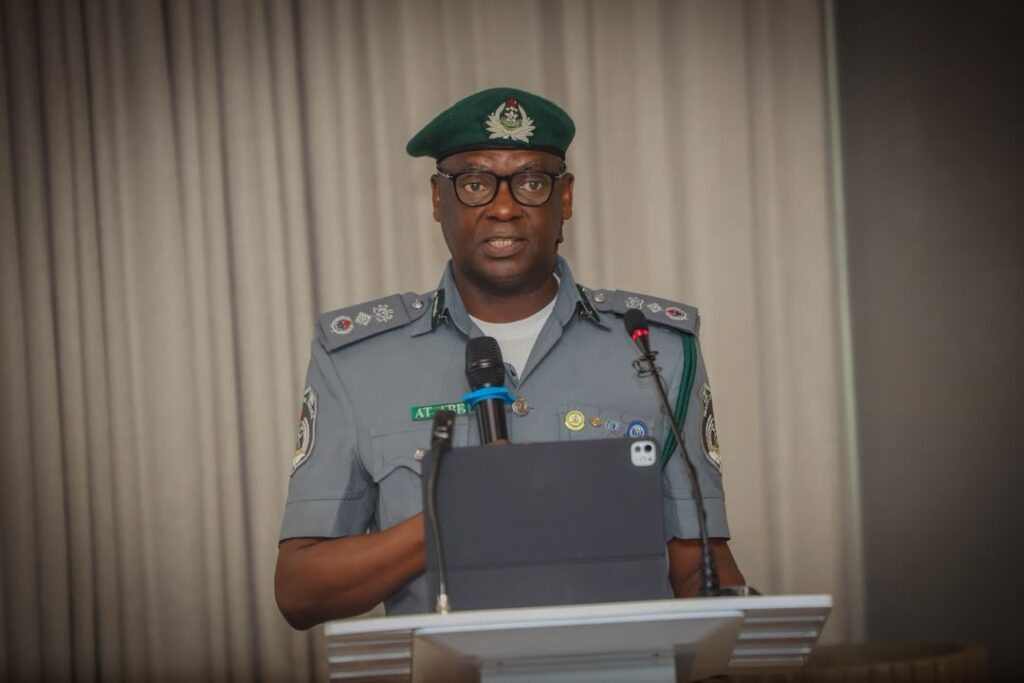
Speaking on the ongoing transformation of the Service, the Deputy Comptroller-General of Customs in charge of Human Resources Development, Tijani Abbey, outlined several initiatives being implemented by the NCS.
Among the key reforms is the deployment of the indigenous B’Odogwu Trade Management System, which forms part of the Service’s efforts to digitise customs processes and improve efficiency in trade transactions.
Other initiatives highlighted include intelligence-driven post-clearance audits, the Authorised Economic Operator (AEO) Programme, coordinated border management and end-to-end digital process integration.
The initiatives, Abbey explained, are aimed at improving revenue generation, facilitating legitimate trade, reducing inefficiencies and strengthening national security.
The B’Odogwu system, alongside other digital interventions, reflects the Service’s broader effort to move away from traditional manual processes towards a technology-driven customs administration capable of responding more efficiently to the demands of modern international trade.
The NCS is also strengthening its post-clearance audit processes by relying more on intelligence and data to ensure compliance after goods have been cleared, while the AEO Programme is designed to deepen cooperation with compliant businesses and facilitate legitimate trade.
The coordinated border management approach is similarly intended to improve collaboration among agencies operating at the nation’s borders, thereby reducing duplication and enhancing the effectiveness of border control.
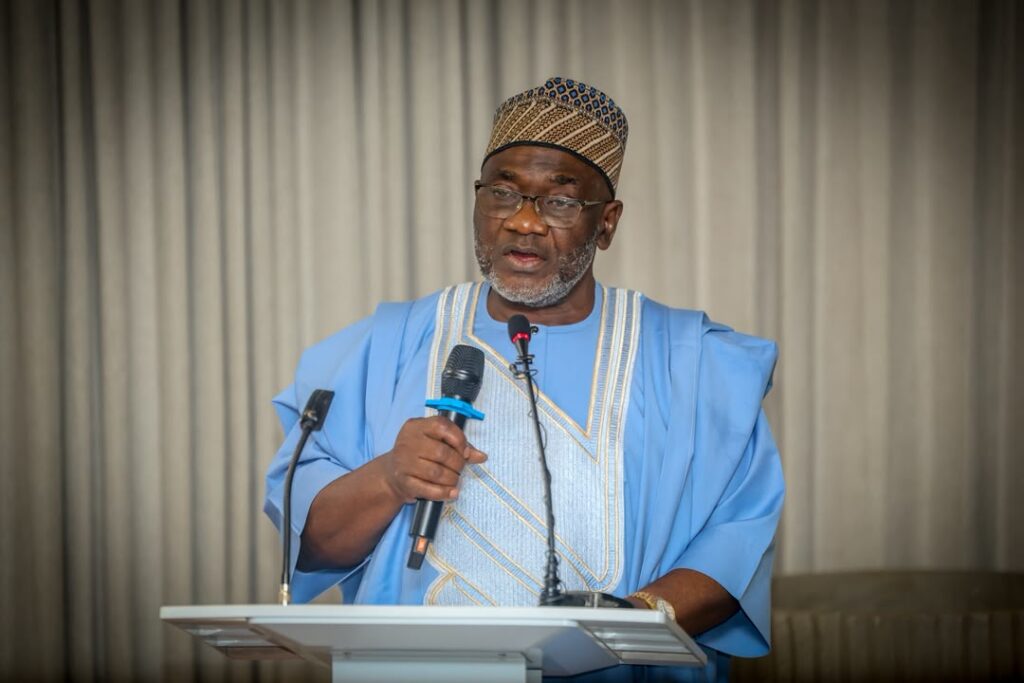
Responding to the presentation, the Chairman of the Senate Committee on Customs, Excise and Tariffs, Senator Isah Jibrin, commended the NCS for its performance, particularly its ability to surpass revenue targets despite the operational challenges confronting the Service.
Jibrin assured the Customs Service that the National Assembly was prepared to provide the necessary legislative support to sustain the momentum of its reforms.
He urged the NCS to identify its challenges and make efforts to address them while assuring the Service that issues requiring legislative intervention would receive the attention of the Senate committee.
“What you need to do is to identify your challenges, try to address them as much as possible, so as to have a much more robust, inclusive, and beyond-budget performance. Where you require legislative backing, please do not hesitate to call on us,” Jibrin advised.
The Senate committee chairman also congratulated Adeniyi on his re-election as Chairperson of the Council of the World Customs Organisation (WCO), describing the development as an indication of Nigeria’s growing influence in international customs administration and global trade.
He said Adeniyi’s re-election was not only a personal achievement but also a recognition of Nigeria’s increasing role in shaping global customs policies and practices.
The retreat therefore provided an opportunity for the NCS and lawmakers to strengthen institutional understanding and cooperation at a time when customs administration is becoming increasingly technology-driven and closely linked to trade facilitation, economic growth and national security.
The engagement also underscored the importance of collaboration between the executive and legislative arms of government in ensuring that Nigeria’s customs laws remain responsive to emerging realities in international commerce.
With the NCS pursuing digital integration, improved compliance, intelligence-led enforcement and coordinated border management, the Service is seeking legislative reforms that will provide a stronger legal foundation for the sustainability of these initiatives.
The proposed review of the legal framework is consequently expected to form part of broader efforts to ensure that Nigeria’s customs administration remains competitive, efficient and responsive to the demands of a rapidly changing global trading environment.






No Comment! Be the first one.