




Board highlights cross-border partnerships, policy harmonisation, supplier development, AfCFTA as pathways to greater African participation in oil, gas projects
By Suleiman Aremu | Solaremnews
The Nigerian Content Development and Monitoring Board (NCDMB) has called for deeper collaboration among African countries to unlock the continent’s local content potential, accelerate economic diversification and strengthen industrial development across the oil and gas value chain.
The call was made during a strategic engagement in Namibia on “African Local Content Opportunities: Pathway to Economic Diversification and Development,” where the NCDMB advocated stronger cross-border partnerships, harmonisation of local content policies and increased utilisation of African capabilities.
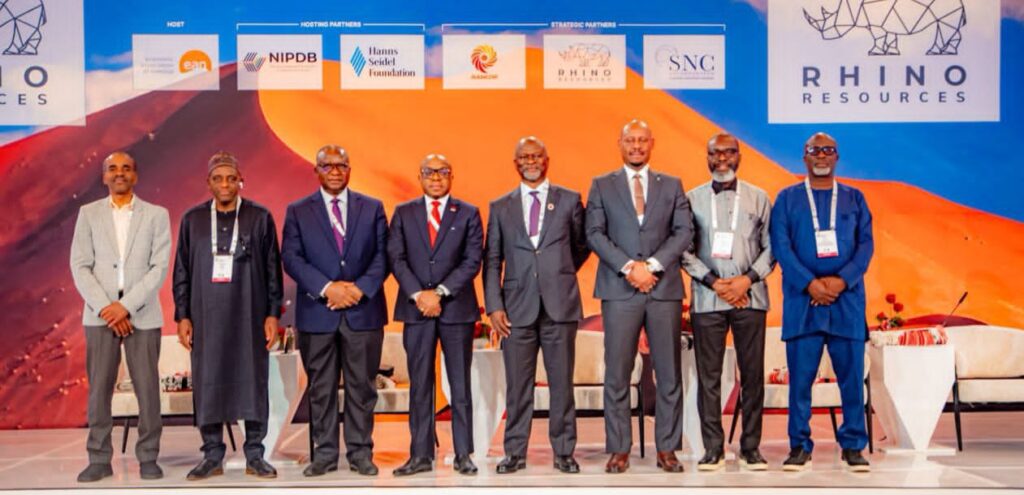
Representing the Executive Secretary of the NCDMB, Engr. Felix Omatsola Ogbe, Dr. Abdulmalik Halilu said African countries must move beyond developing individual local content regimes to creating an integrated ecosystem that allows businesses and institutions across the continent to collaborate, transfer skills and jointly execute major projects.
Halilu noted that several African countries had already established legal and regulatory frameworks for local content development, providing a foundation for greater regional integration and industrial cooperation.
According to him, local content should not be limited to activities within national borders but should promote the development and utilisation of cross-border capacities and capabilities as a catalyst for Africa’s industrialisation.
He referenced key aspirations of the 2025 African Petroleum Producers’ Organisation (APPO) Ministerial Council Brazzaville Declaration, which encourages African countries to strengthen supplier capacity, promote skills development and knowledge transfer, support joint ventures and partnerships, harmonise local content regulations and encourage public-private partnerships to increase African participation in the oil and gas industry.
Halilu also highlighted existing African capabilities in fabrication, engineering, manufacturing, subsea services, marine operations and project execution, noting that these capacities could be significantly enhanced through strategic collaboration among African companies and institutions.
He said Nigeria’s experience demonstrated the transformative impact that a structured, data-driven local content framework could have on an oil and gas industry.
Drawing from the country’s experience since the enactment of the Nigerian Oil and Gas Industry Content Development (NOGICD) Act, he highlighted the growth in indigenous participation and industry competitiveness achieved through robust data systems, compliance monitoring, supplier development initiatives and strategic investments.
Halilu stressed that the next phase of African local content development should focus on practical business-to-business partnerships that enable companies from different countries to jointly pursue and execute large-scale energy projects.
He identified several partnership models that could facilitate this objective, including prime-subcontractor arrangements, incorporated local content joint ventures, contractual consortium bids and reciprocal market access alliances.
According to him, such arrangements would allow African companies to combine their respective expertise, resources and capabilities while improving their ability to compete for major projects within the continent and beyond.
He further stressed that achieving an integrated African local content ecosystem would require coordinated reforms across several areas, including regulatory harmonisation, trade facilitation, customs cooperation, immigration processes and access to sustainable financing.
The NCDMB representative also endorsed the establishment of a Pan-African supplier database and interactive opportunities platform to aggregate and showcase the capabilities of African businesses, thereby making it easier for project owners and investors to identify indigenous suppliers and service providers across the continent.
“The opportunities available across Africa can only be fully unlocked through deliberate and synchronized efforts that enable cross-border service delivery and industrial collaboration. The Brazzaville Declaration represents an important starting point, but implementation, partnership, and policy alignment will ultimately determine the success of Pan-African local content,” Halilu stated.
He added that leveraging the African Continental Free Trade Area (AfCFTA) framework, alongside stronger cooperation among African institutions and businesses, would create new opportunities for indigenous companies to compete, collaborate and deliver world-class projects across the continent.
Also speaking during the first panel session, the NCDMB Director of Monitoring and Evaluation, Mr. Esueme Dan Kikile, Esq., shared perspectives on global best practices and strategies for strengthening local participation and maximising in-country value in the oil and gas industry.
Kikile urged stakeholders in Namibia to explore practical approaches to supplier development, skills transfer, enterprise growth and sustainable local content development.
The discussions, according to the Board, drew lessons from the experiences of other oil-producing countries and examined their relevance to building a resilient and sustainable oil and gas sector in Namibia.
The NCDMB’s participation also featured prominently during the exhibition tour at the 2026 Namibian Oil and Gas Conference (NOGC), where the Vice President of Namibia, Her Excellency Mrs. Lucia Witbooi, visited the Board’s exhibition stand.
Witbooi was received by Kikile alongside other NCDMB officials.
During the visit, Kikile highlighted the Board’s mandate and activities, with particular emphasis on the Nigerian Oil and Gas Industry Content Development Act and its impact on transforming Nigeria’s oil and gas industry.
He also underscored the importance of regional collaboration and knowledge exchange in advancing sustainable growth across Africa’s energy sector.
The NCDMB said the engagements formed part of efforts to promote stronger African cooperation and ensure that the continent’s growing oil and gas opportunities translate into greater value retention, industrial capacity, enterprise development and sustainable economic growth for African countries.






No Comment! Be the first one.