




By Suleiman Aremu | Solaremnews | Wednesday, 23 September 2026
The Nigeria Customs Service (NCS) has concluded the final phase of its 2025 recruitment exercise, with shortlisted candidates completing documentation, physical fitness assessments and medical screenings at the Training and Doctrine Command (TRADOC), Gwagwalada, Abuja.
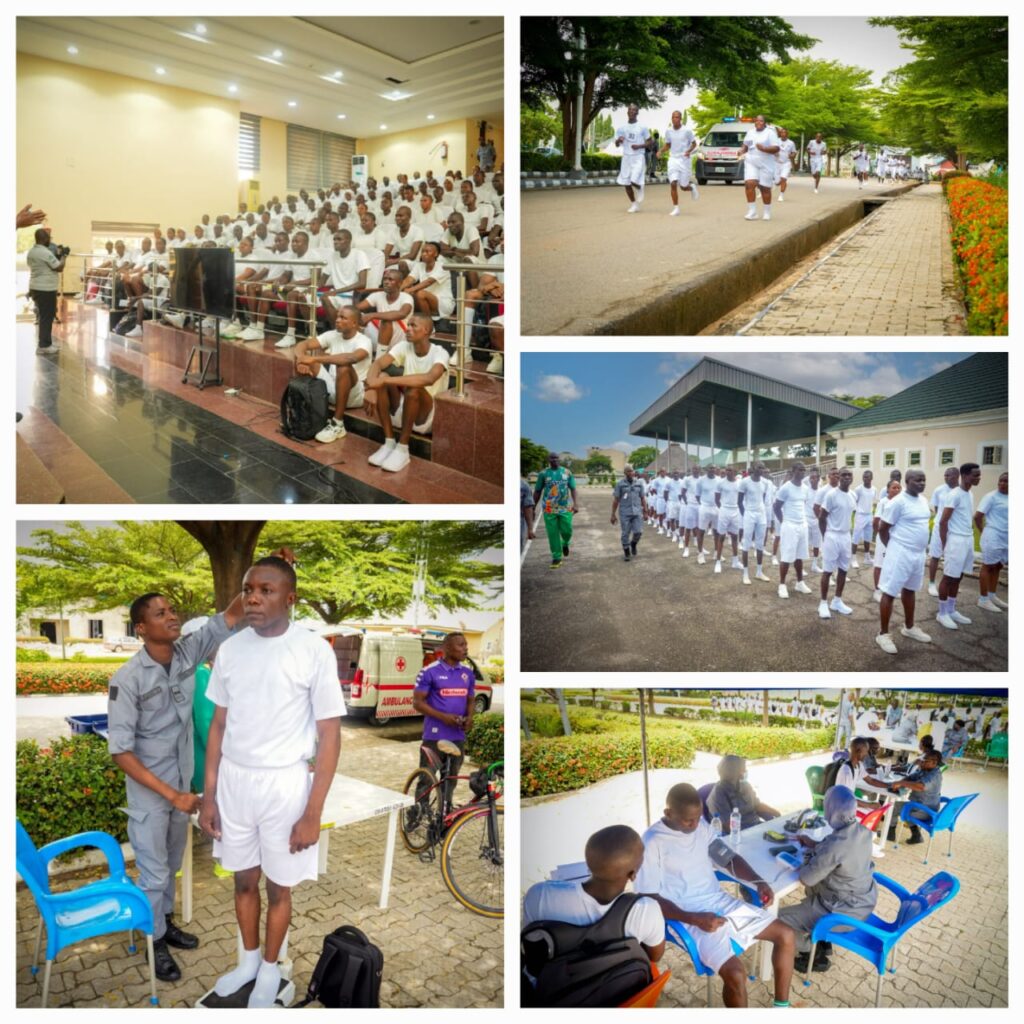
The two-week exercise, which commenced on Monday, September 7, 2026, ended on Saturday, September 19, 2026, with candidates screened across the Assistant Superintendent of Customs II (ASCII), Inspectorate and Customs Assistant cadres.
The Service said the screening was conducted in batches to ensure an orderly process, minimise congestion and improve the overall experience for candidates undergoing the various stages of assessment.
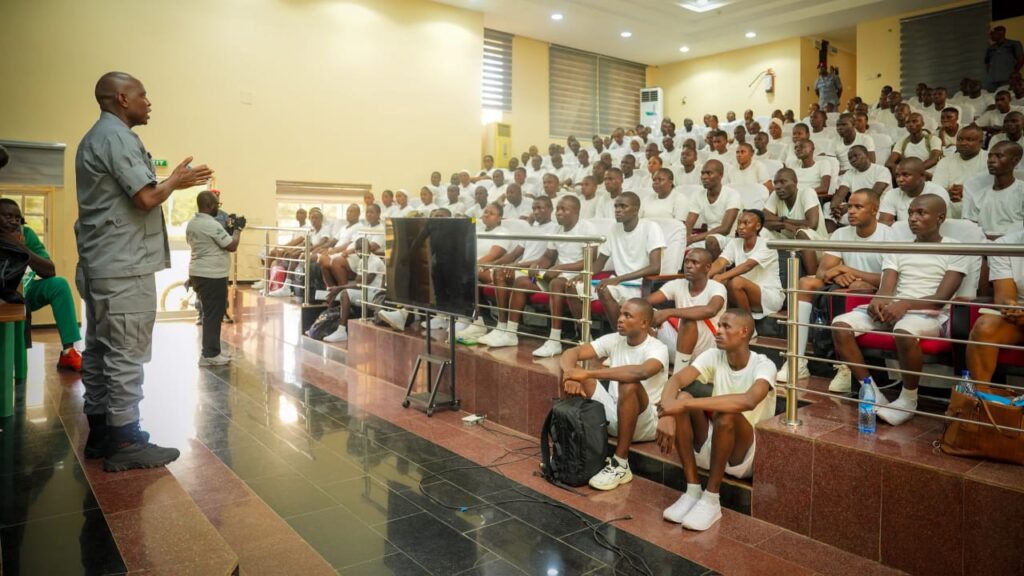
Speaking on the outcome of the exercise, the Assistant Comptroller-General of Customs in charge of Human Resource Development, Frank Onyeka, said the Service had introduced measures to address challenges identified during the earlier phase of the recruitment process.
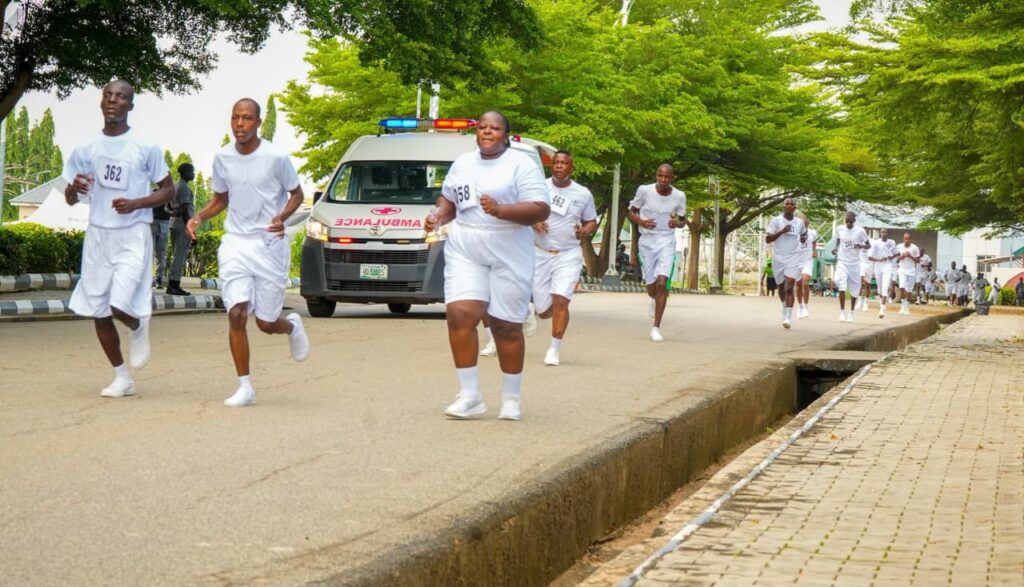
According to him, the measures were designed to reduce congestion, improve coordination and ensure greater efficiency throughout the screening exercise.
“We have put measures in place to reduce congestion and ensure a smoother process this week. The gaps identified last week have been addressed, and we do not expect them to recur this week,” Onyeka stated.
He also emphasised the need for candidates to demonstrate discipline and responsibility throughout the recruitment process.
The improvements recorded during the exercise were also highlighted by the Deputy Comptroller of Customs and member of the coordinating team, Adamu Musa.
Musa disclosed that close to 3,000 candidates had been screened without any casualty, attributing the improved process to the introduction of personalised screening forms containing candidates’ records across the different stages of the exercise.
He explained that the new system was designed to make the verification process more efficient and reduce the possibility of alterations to candidates’ records during screening.
“Any candidate that has been shortlisted has a form designed especially for him, unlike in the past where you come, they issue you a form, and then some people along the way go and even change some of the records,” Musa explained.
According to him, the personalised forms contain candidates’ names and other relevant details, as well as information required for sports, medical examinations, documentation and other aspects of the screening process.

He said the arrangement enables officials to verify information already captured in the Service’s system rather than relying entirely on fresh documentation presented at different stages of the exercise.
Musa further stressed the importance of continuous manpower development in the Nigeria Customs Service, noting that the expanding responsibilities of the Service require a well-trained and capable workforce.
He said Customs personnel play important roles in national security, border protection and other services to the nation, making continuous investment in human capacity essential to strengthening the Service’s ability to meet emerging challenges.
He also explained that candidates would be assessed against criteria established by the Service as part of the recruitment process.
Among the considerations, he said, are age requirements, physical fitness and drug screening.
Musa disclosed that candidates who test positive for hard drugs, exceed the stipulated age limit or have physical conditions considered capable of affecting their ability to perform assigned duties could be disqualified, subject to the final decision of the management of the Service.
The Deputy Comptroller urged candidates and members of the public to remain vigilant against fraudulent recruitment information and messages.

He advised prospective applicants and other members of the public to obtain recruitment-related information only through the Nigeria Customs Service’s official website and verified social media platforms.
The conclusion of the screening marks the completion of the final phase of the recruitment exercise, with the Service’s emphasis during the process centred on improved coordination, verification, discipline and efficient management of candidates.








No Comment! Be the first one.