




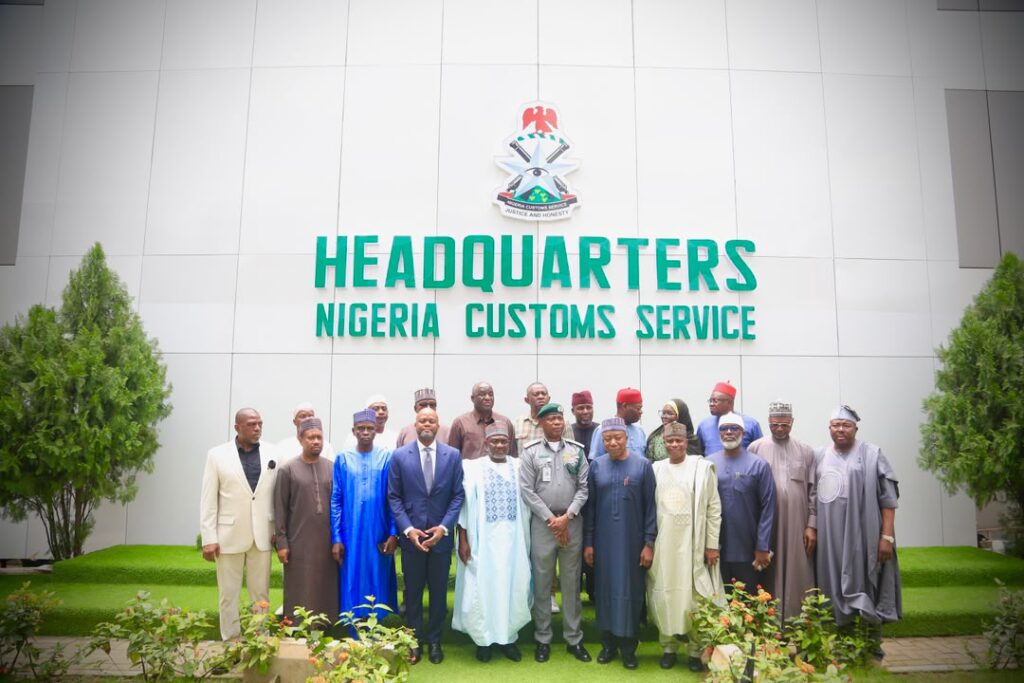
By Suleiman Aremu | Solaremnews
The Secretary-General of the African Continental Free Trade Area (AfCFTA), Wamkele Mene, has commended the Nigeria Customs Service (NCS) for its technology-driven reforms, describing the Service’s indigenous digital innovations as capable of transforming customs administration across Africa.
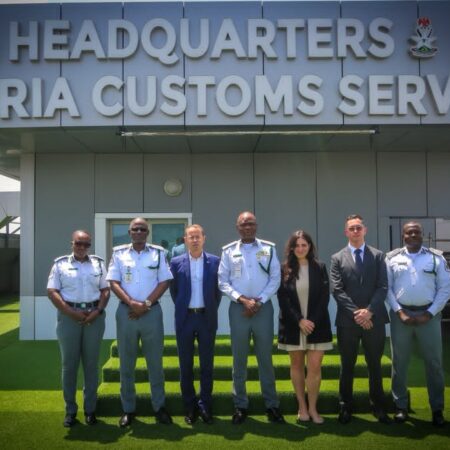
Mene made the commendation on Thursday, August 6, 2026, during a working visit to the Nigeria Customs Service Headquarters in Maitama, Abuja, where he expressed the readiness of the AfCFTA Secretariat to collaborate with the NCS to replicate its digital innovations in other African countries.
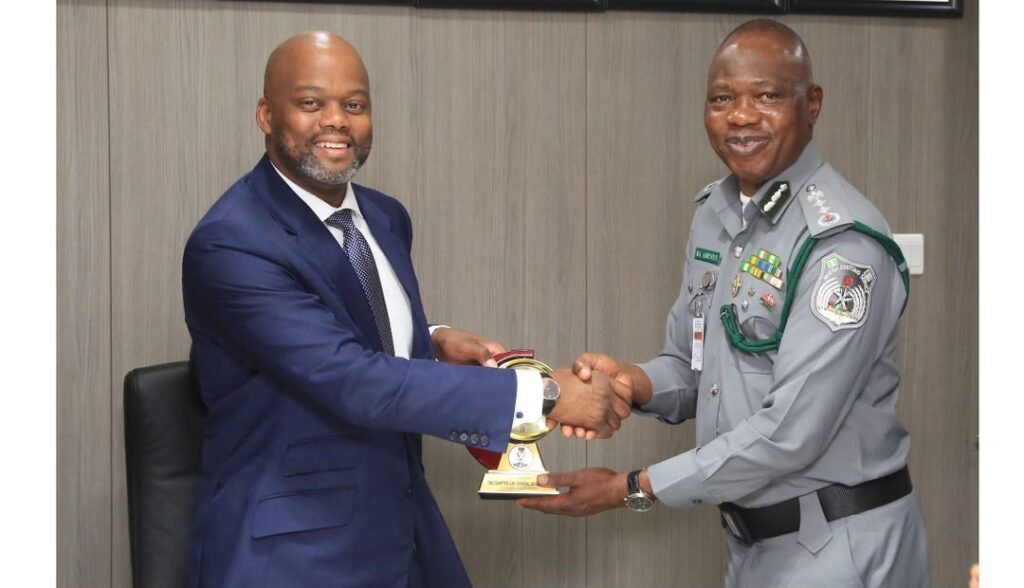
The AfCFTA Secretary-General said the reforms introduced by the Nigeria Customs Service represented practical African solutions to some of the longstanding challenges confronting trade and revenue collection across the continent.
He noted that several African countries still depend largely on manual customs processes, which contribute to revenue leakages, delays at borders and limited intra-African trade.
According to Mene, Nigeria’s progress in deploying technology for customs administration provides a sustainable model that could be adapted by other African countries seeking to improve efficiency, transparency and trade facilitation.
“What we have seen today is truly state-of-the-art. I sincerely congratulate the NCS for what it has achieved within such a short period. We would like to work together and learn from what Nigeria has accomplished because this innovation has inherent benefits not only for Nigeria, but for the entire African continent,” he said.
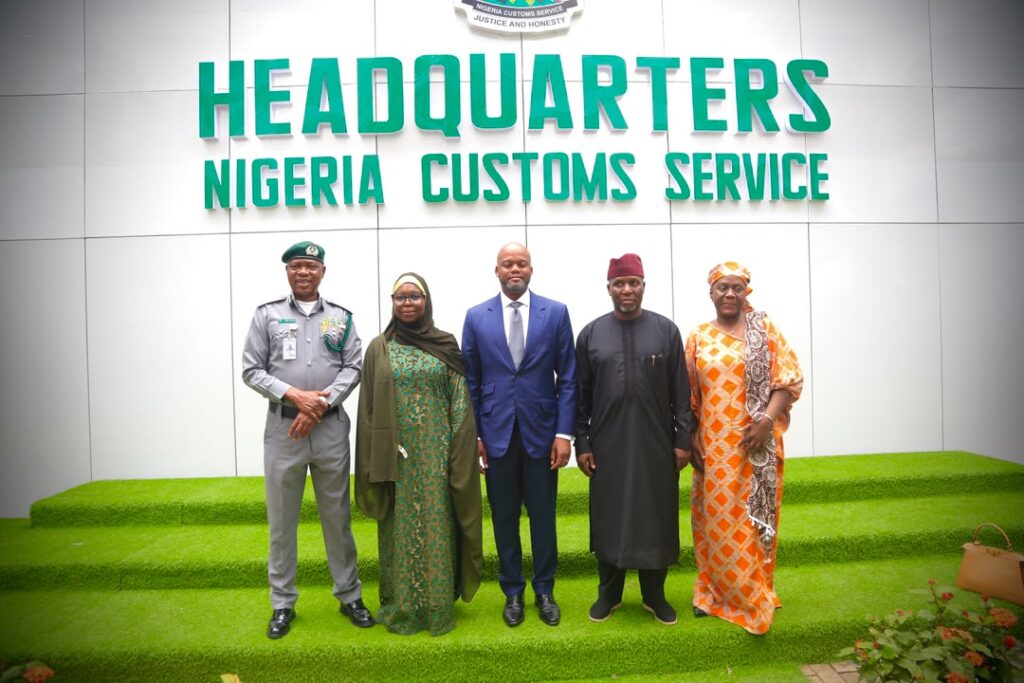
Mene also identified the data centre of the Nigeria Customs Service as a strategic continental asset, particularly for African countries that may not have the financial and technical resources to establish similar digital infrastructure.
He said the facility was evidence of Africa’s increasing capacity to develop, deploy and manage critical digital infrastructure required to support modern trade and customs administration.
The AfCFTA chief’s position underscores the growing importance of digital integration among African customs administrations as the continent seeks to maximise the benefits of the African Continental Free Trade Area, which aims to facilitate trade, strengthen economic integration and increase intra-African commerce.
Responding, the Comptroller-General of Customs, Adewale Adeniyi, expressed appreciation to Mene for recognising the modernisation efforts of the Nigeria Customs Service and reaffirmed the Service’s commitment to developing technology that responds to Africa’s peculiar trade environment.
Adeniyi said the NCS would continue to draw from global best practices while developing indigenous solutions capable of addressing the specific challenges faced by African countries.
“We sincerely appreciate your passion for promoting intra-African trade and strengthening the interconnectivity of customs systems across the continent. We are not done yet. We will continue to expand the frontiers of innovation, learning from global best practices while developing solutions that advance the peculiar interests of the African continent,” the Comptroller-General said.
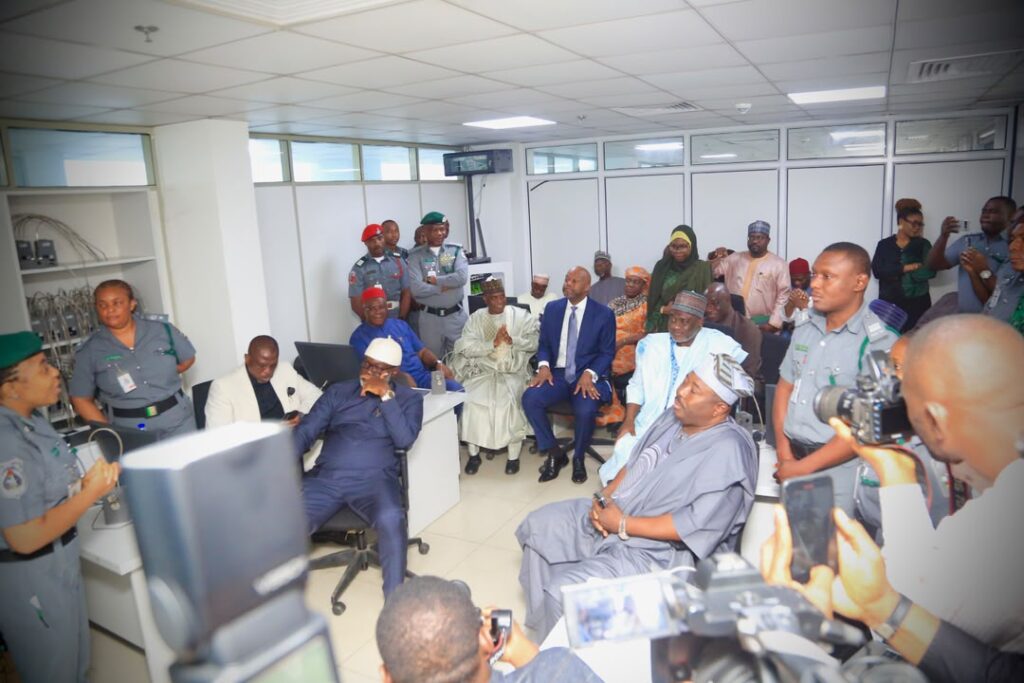
He stressed that the Nigeria Customs Service remained committed to working with the AfCFTA Secretariat and other African customs administrations to deepen digital integration, facilitate legitimate trade and strengthen regional economic cooperation.
The Comptroller-General added that the recognition from the continental trade body had further reinforced the NCS’s determination to sustain its ongoing modernisation agenda and expand the use of technology in customs operations.
The collaboration between the NCS and AfCFTA is expected to support efforts towards greater interoperability of customs systems, smoother movement of goods across African borders and improved efficiency in the implementation of the continental free trade framework.
The development also positions Nigeria’s customs digital transformation as a potential reference point for other African countries seeking to modernise border management, improve revenue collection and reduce bottlenecks affecting intra-African trade.





No Comment! Be the first one.