




Solaremnews | Monday, 21 September 2026
As Nigeria moves into another important phase of preparations for the 2027 General Elections, political parties and their candidates are expected to intensify their engagement with Nigerians.
With the campaign season now underway, Nigerians should not only listen to what politicians say, but also ask important questions about how they intend to govern if given the mandate.
One noticeable feature of political campaigns in Nigeria is the tendency of some politicians to concentrate more on attacking personalities than explaining their programmes to the electorate. Political disagreements are normal in a democracy, and politicians have every right to criticise the records and policies of their opponents. However, Nigerians deserve to hear more than personal attacks. They deserve clear ideas about how candidates intend to address the problems confronting the country.
It is easy for a politician to say, “I will do this” and “I will do that.” The more important question is: How will you do it?
What is the policy? What is the implementation plan? How much will it cost? Where will the money come from? What institutions will be responsible for implementing it? What timeline should Nigerians expect? These are the questions that should form part of political discussions as the country approaches 2027.
For instance, a politician may tell Nigerians that, if elected, he or she will ensure that all Nigerian youths return to farming. At first glance, such a statement may sound attractive because agriculture remains important to Nigeria’s economy and food security. But can every Nigerian youth become a farmer? Certainly not.
Nigeria needs farmers, but it also needs teachers, doctors, engineers, journalists, artisans, entrepreneurs, scientists, software developers, manufacturers, accountants, security professionals and people working in many other sectors. A serious economic programme should therefore recognise the diversity of the Nigerian population and create opportunities for people according to their abilities, interests and circumstances.
The same principle should apply to other promises. Nigerians should be careful about political statements that sound impressive but do not explain how they will be translated into practical governance.
There is also the issue of politicians appearing at virtually every function, whether invited or not, particularly as elections draw closer. Politicians naturally want to remain visible during an election season, but voters should look beyond the handshakes, photographs, gifts and public appearances. Visibility during a campaign is not the same thing as effective governance.
This is why Nigerians must develop the habit of asking questions before casting their votes.
What did this politician promise the last time he or she sought our votes? What was achieved? What was not achieved, and why? If the person is seeking another office, what has he or she done in the previous position? What lessons can be learnt from that record?
These questions are particularly important when former officeholders seek new positions after completing their tenure. A governor who has spent years in office and is now seeking a Senate seat, for example, should expect voters to examine the record of that administration, including infrastructure, education, healthcare, employment, security, human development and other measurable areas of governance.
This is not about asking Nigerians to reject or support any particular politician. It is about encouraging citizens to examine records and promises before making their choices.
Politicians also need to understand that Nigerians are becoming increasingly interested in accountability. Election campaigns should not be reduced to the distribution of rice, Ankara fabrics, money or other temporary gifts. Such gestures may provide immediate relief to some people, but they cannot replace good governance, quality infrastructure, employment opportunities, affordable healthcare, functional education and a productive economy.
The responsibility, however, does not rest entirely with politicians. The electorate also has an important role to play.
Citizens should not allow temporary gifts to determine decisions that will affect their communities and families for four or eight years. They should listen to candidates, compare their programmes, examine their records where applicable and ask difficult but legitimate questions.
Political parties, too, should present manifestos that go beyond slogans. Nigerians should be able to understand what each party intends to do, how it intends to do it and what resources and institutions will be required to achieve its objectives.
The 2027 elections should therefore provide an opportunity for Nigeria to move the political conversation from “I will do this and I will do that” to “This is what I intend to do, this is how I will do it, this is what it will cost and this is how Nigerians can measure my performance.”
That is the kind of political conversation that can help voters make informed decisions.
The electorate should not surrender its power to politicians merely because of temporary benefits. Politicians need votes, but voters also need good governance.
As the 2027 campaign season begins, Nigerians should therefore listen carefully, ask questions and demand explanations. Campaigns should be about ideas, policies, records, programmes and realistic solutions—not merely personalities, insults, slogans and promises without implementation plans.
Ultimately, democracy works better when politicians know that the people they are asking for votes are also prepared to hold them accountable after the election.
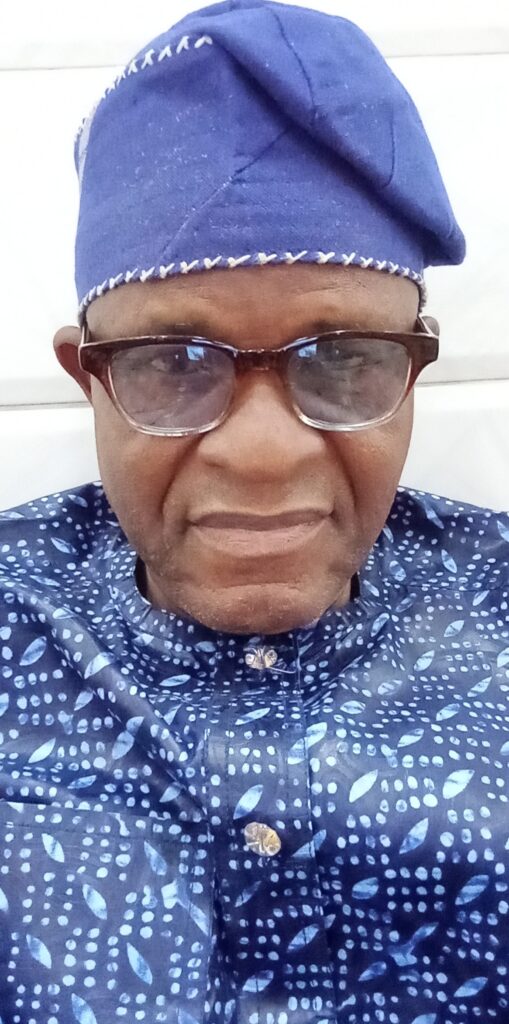
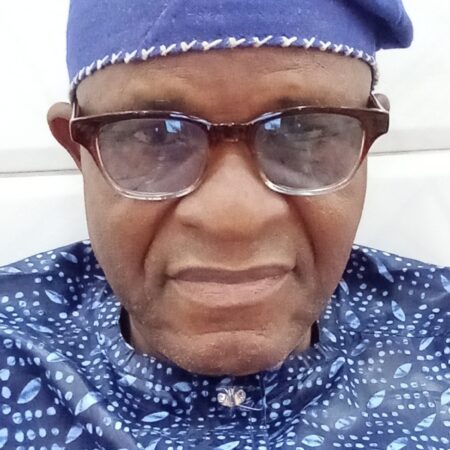
Suleiman Olasunkanmi Aremu, Publisher of Solaremnews, writes from Ilorin.


Other Articles


No Comment! Be the first one.