




By Suleiman Aremu | Solaremnews | Tuesday 18, August 2026
The 2026 Osun State governorship election has come and gone, but the events that unfolded before, during and after the election will remain subjects of political discussion for a long time. Beyond the figures announced by the Independent National Electoral Commission (INEC), the election provided important lessons about internal party democracy, political structures, candidate selection, grassroots popularity, political alliances and the consequences of taking an opponent for granted.
For me, one of the biggest stories of the election was not simply the contest between the Accord Party and the All Progressives Congress (APC), but the battle within the APC itself. That was why I wrote on social media before the election: “APC deal with APC! Osun State governorship election is on my mind.” I did not make that statement out of sentiment but from what I observed on the ground and the political developments leading to the election.
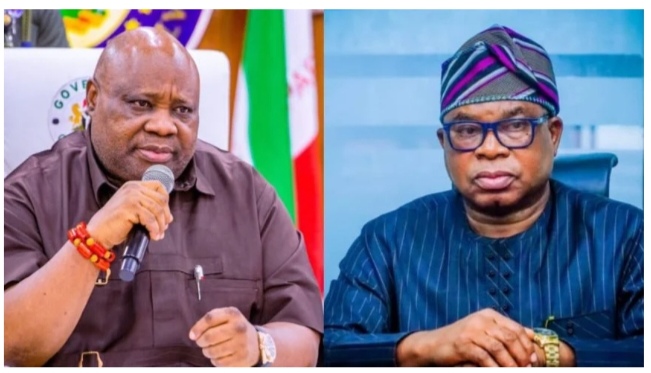
The political journey towards the election was particularly interesting. At a point, there were reports that Governor Ademola Adeleke and his brother had met President Bola Ahmed Tinubu in Lagos, with speculation that Adeleke was considering joining the APC following the crisis and uncertainty surrounding the Peoples Democratic Party (PDP). The reports suggested that President Tinubu was not opposed to Adeleke joining the APC and that he was willing to receive him.
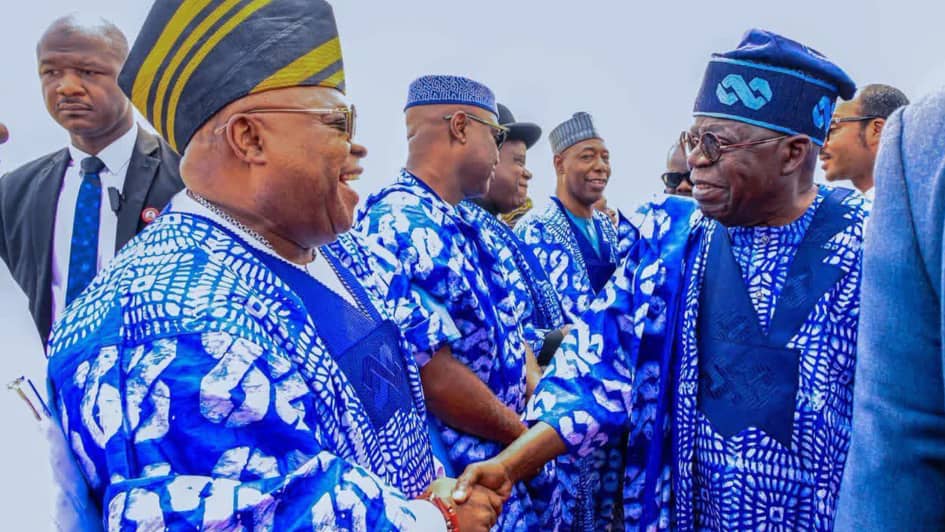
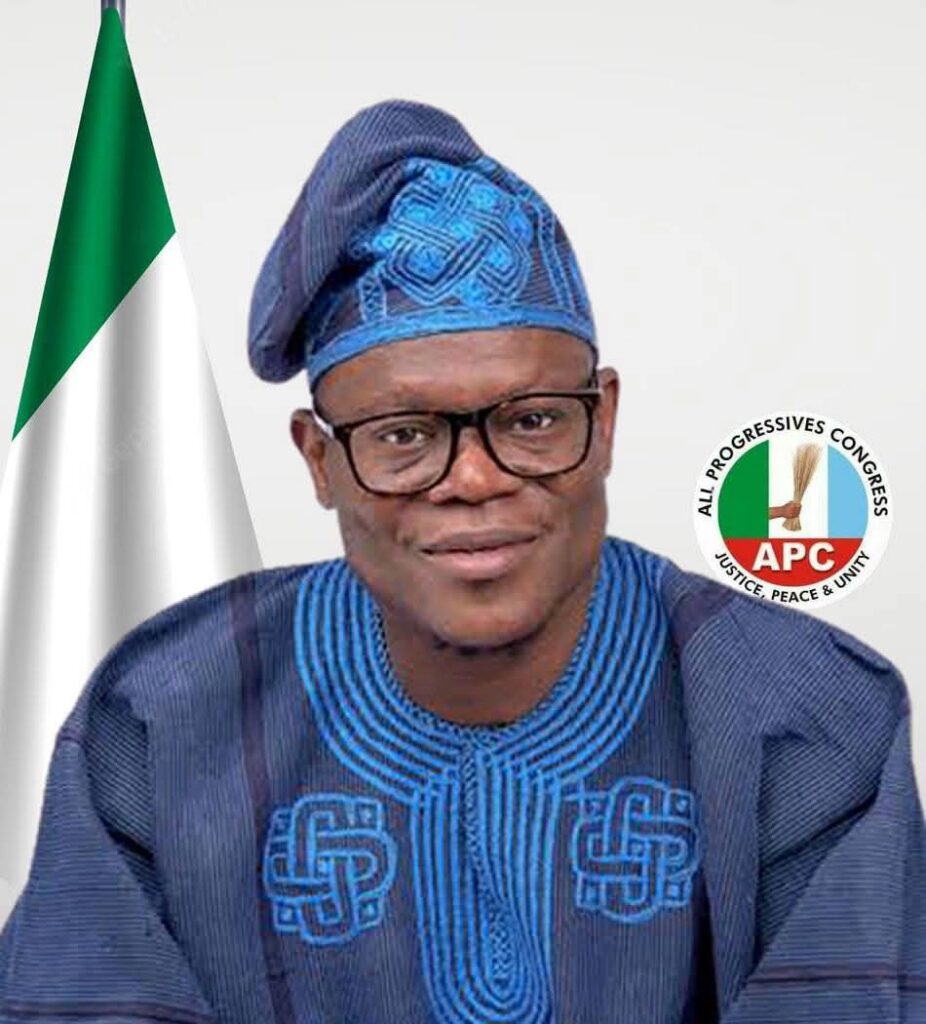
But politics is rarely determined by one individual. Adeleke’s proposed movement into the APC reportedly faced resistance from influential interests within the party in Osun State. Former Governor Gboyega Oyetola, who has a close family relationship with President Tinubu, had his own political interests and preferred candidate. Senator Bolaji Bashiru, the APC National Secretary, was also interested in the governorship contest, while former Deputy Governor and former Senator, Chief Iyiola Omisore, was another major political figure associated with the race.
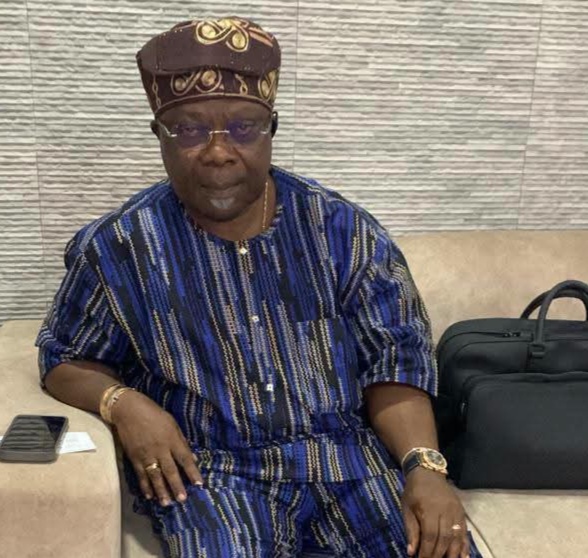
These competing interests made it difficult for Adeleke to find a clear political space within the APC.
Eventually, Adeleke looked elsewhere and contested under the Accord Party. Interestingly, despite leaving the PDP and contesting under Accord, he publicly endorsed President Tinubu for a second term at the federal level. That development demonstrated the complicated nature of Nigerian politics, where local political competition does not always follow the pattern of national political alliances.
The APC’s handling of its internal interests also deserves serious examination. Rather than finding a way to accommodate all the major actors who expressed interest in the governorship contest, the party disqualified some of them, including Chief Iyiola Omisore. Whatever justification the party had for his disqualification, the political consequence should have been carefully considered.
Omisore was not simply an individual seeking the APC ticket; he had supporters, political contacts and a structure across Osun State.
Political structures do not disappear simply because a candidate is disqualified. If such a structure is not properly managed, it can move elsewhere, and that appears to have happened.
Omisore had previously demonstrated that he could influence the direction of an election. During the 2018 Osun governorship election, his political structure became crucial during the rerun after he eventually supported APC’s Gboyega Oyetola. That experience should have reminded the APC leadership of the importance of his political network.
Instead, the party appeared to believe that the Accord Party would not become a serious threat and, according to reports at the time, some within the APC were confident that developments concerning Accord would work in their favour. When the Court of Appeal subsequently struck out the judgment of the Federal High Court affecting the Accord Party, the political calculation changed.
It was then that efforts were reportedly intensified to reconcile with people who had previously been sidelined. By then, however, political realignment had already taken place. That, to me, was the beginning of the APC’s major problem in the Osun governorship election.
The lesson is simple: a political party should never create enemies from people who could have remained its allies.
The APC had several influential political actors and structures within its broad family. Instead of allowing those interests to work within the party or finding a compromise acceptable to all sides, the disagreements eventually contributed to fragmentation.
Governor Adeleke consequently benefited from a situation in which some political forces that could have strengthened the APC were no longer working for the party.
This does not mean that Adeleke won only because of the crisis within the APC. That would be unfair to the governor and the voters who supported him. Adeleke had his own political strength, and during my time in Osun State, particularly around the election, it was difficult to ignore his popularity in many parts of the state.
His administration’s physical projects were visible in several towns and cities. The dualisation of roads in different parts of the state, among other projects, gave many residents something tangible to associate with his administration.
One important feature of Adeleke’s approach was that development was not seen only in Osogbo, the state capital. Various parts of the state had projects that supporters could point to as evidence of government presence.
That undoubtedly contributed to his support, although infrastructure alone does not win elections. Performance, personality, party structure, political alliances, campaign organisation, candidate selection and opposition strategy all matter.
In Osun, the combination of Adeleke’s popularity and the divisions within the opposition created a powerful electoral advantage.
The pre-election atmosphere also showed how seriously security agencies and election observers viewed the contest. On August 13, the Force Public Relations Officer, Chief Superintendent of Police Ani Iniedu, warned residents, political actors, youths and other stakeholders against electoral malpractices, violence and activities capable of undermining the election.
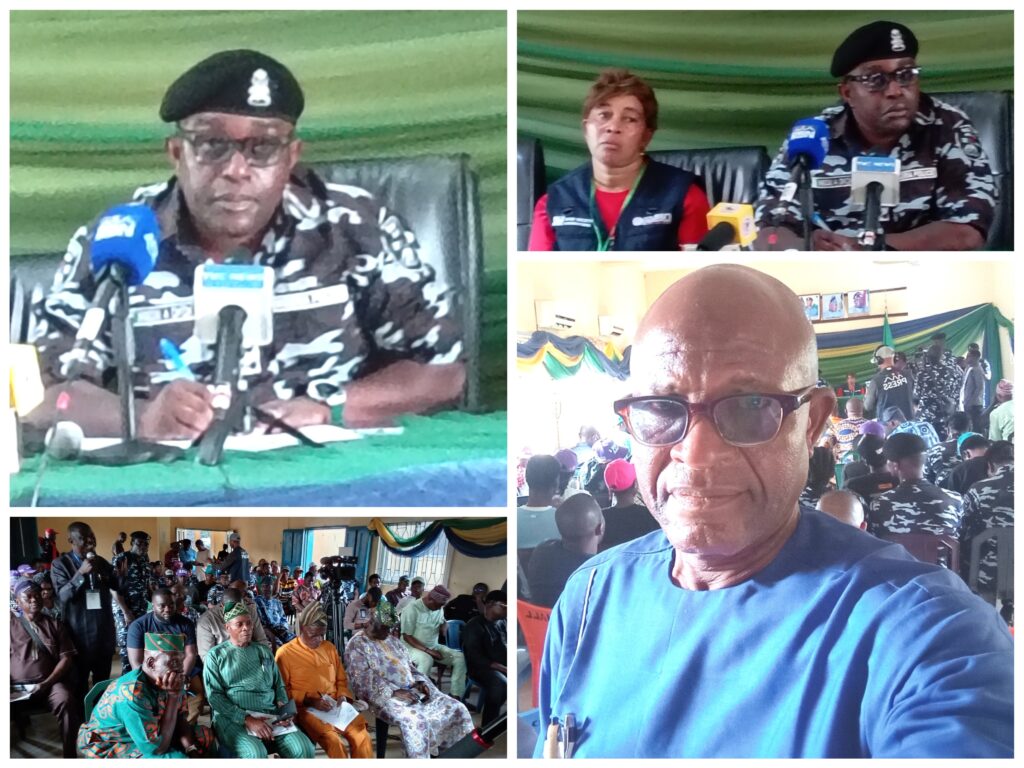
The police warned parents, particularly mothers, against allowing their children to be used by politicians to commit electoral offences and announced that a mobile court had been put in place to ensure prompt prosecution of those arrested. The police also warned against illegal possession or movement of arms and said officers who compromised their duties would not be protected.
Another significant part of the security briefing was the exclusion of quasi-security organisations such as the Osun Amotekun Corps, vigilante groups and hunters from the election security arrangement. The police made it clear that only constitutionally recognised security agencies would participate in election security operations.
This was important because neutrality is one of the most sensitive issues surrounding election security in Nigeria. Security agencies must not only be neutral; they must also be seen to be neutral.
The final campaign days equally reflected the tension surrounding the election. The APC scheduled its campaign grand finale at Freedom Park in Osogbo on August 13, while the Accord Party cancelled its own planned final rally in the city.
The cancellation generated political speculation, with an anonymous source claiming that the decision was taken to avoid a situation in which supporters could be arrested. Although the claim could not be independently established at the time, the fact that such concerns were circulating showed the level of tension surrounding the election.
The APC, meanwhile, used its final rally to mobilise supporters and make its last push for votes.
Election observers also raised several concerns before the poll. Yiaga Africa warned that the election would be a major test of electoral preparedness, security neutrality, public trust and the implementation of the Electoral Act 2026. The organisation identified several areas requiring attention, including the deployment of election officials and materials, the performance of the Bimodal Voter Accreditation System (BVAS), electronic results management, voter inducement, political violence and the participation of women, youths and persons with disabilities.
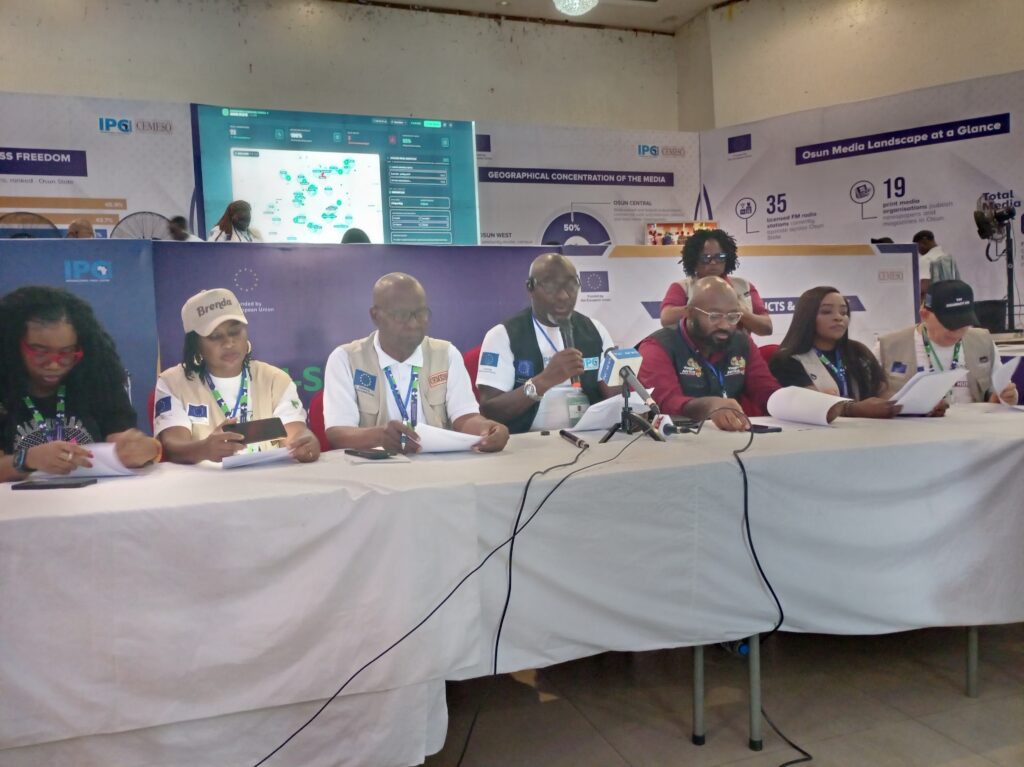
The European Union Support to Democratic Governance in Nigeria Election Observation Hub deployed 843 accredited observers across Osun State and identified vote buying, political violence, misinformation and unresolved disputes as major threats to the credibility of the election.
These warnings demonstrated that the election was not treated as an ordinary political contest. It was viewed as an important test ahead of the 2027 general elections, particularly because it was conducted under the new electoral legal framework.
Then came Election Day.
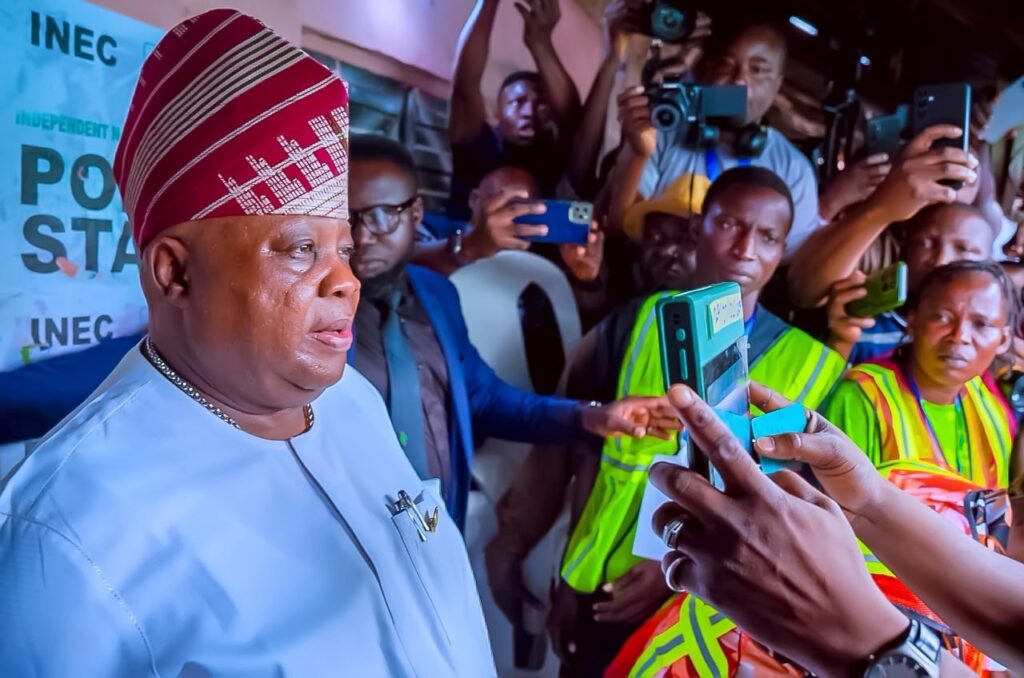
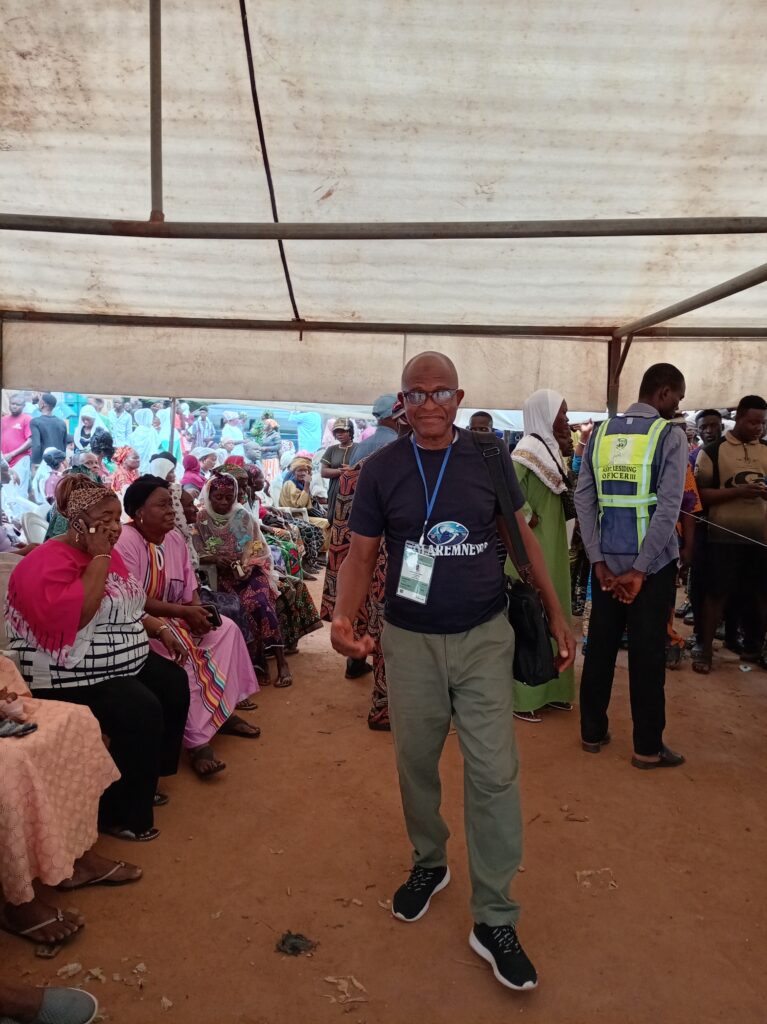
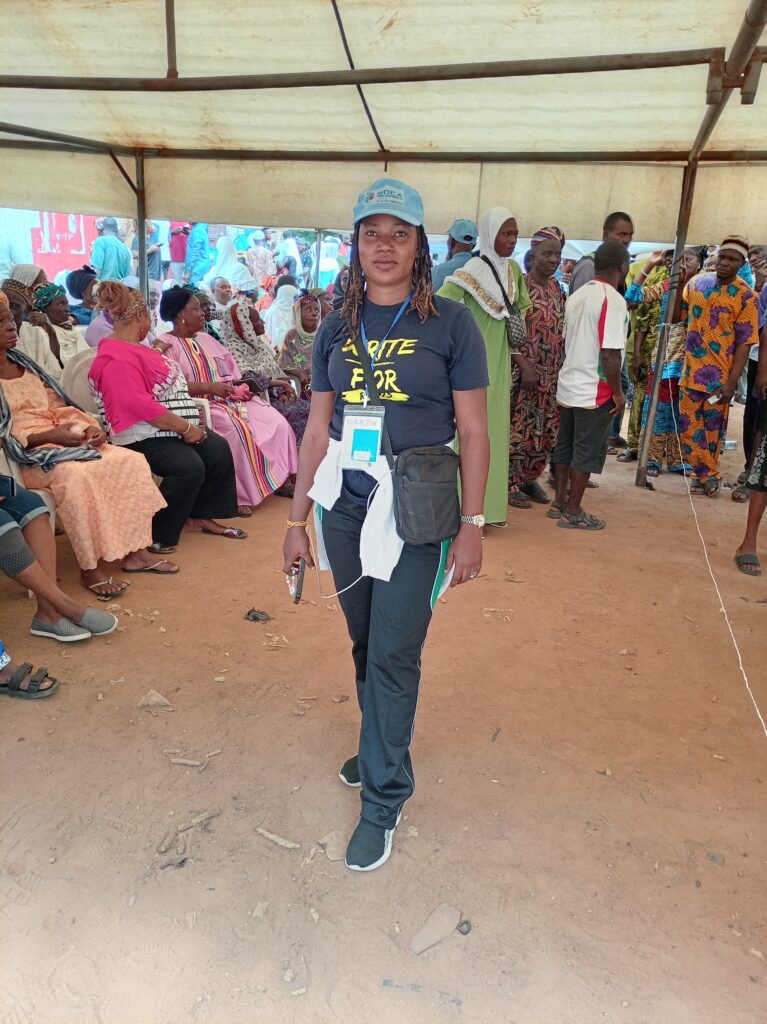
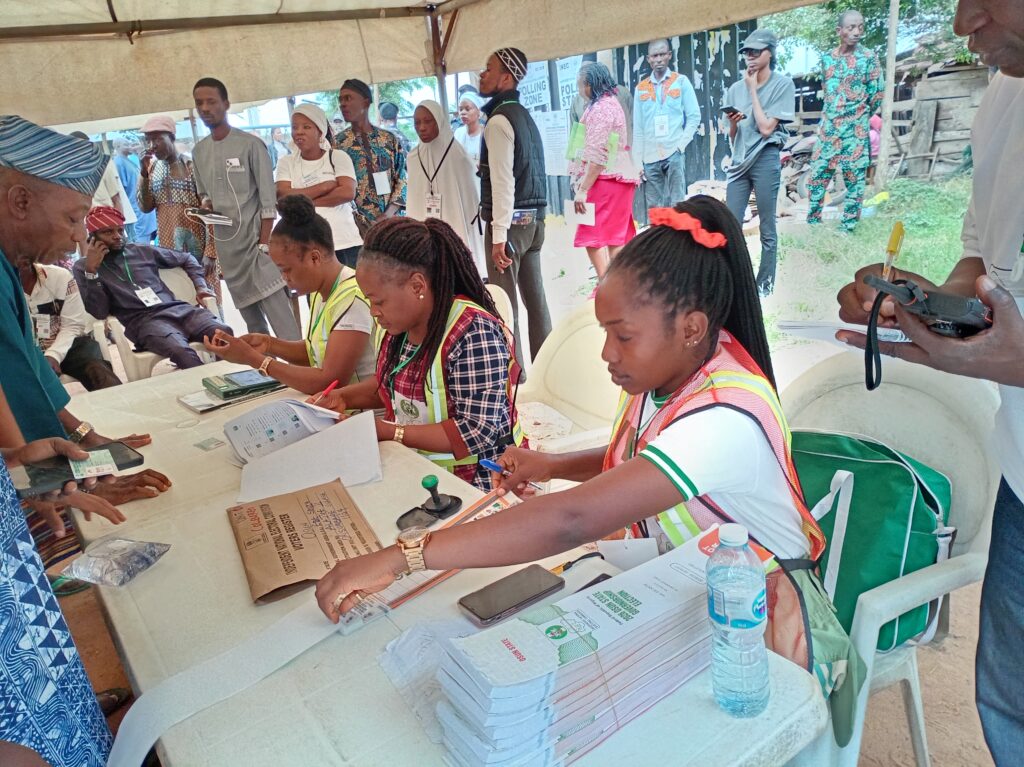
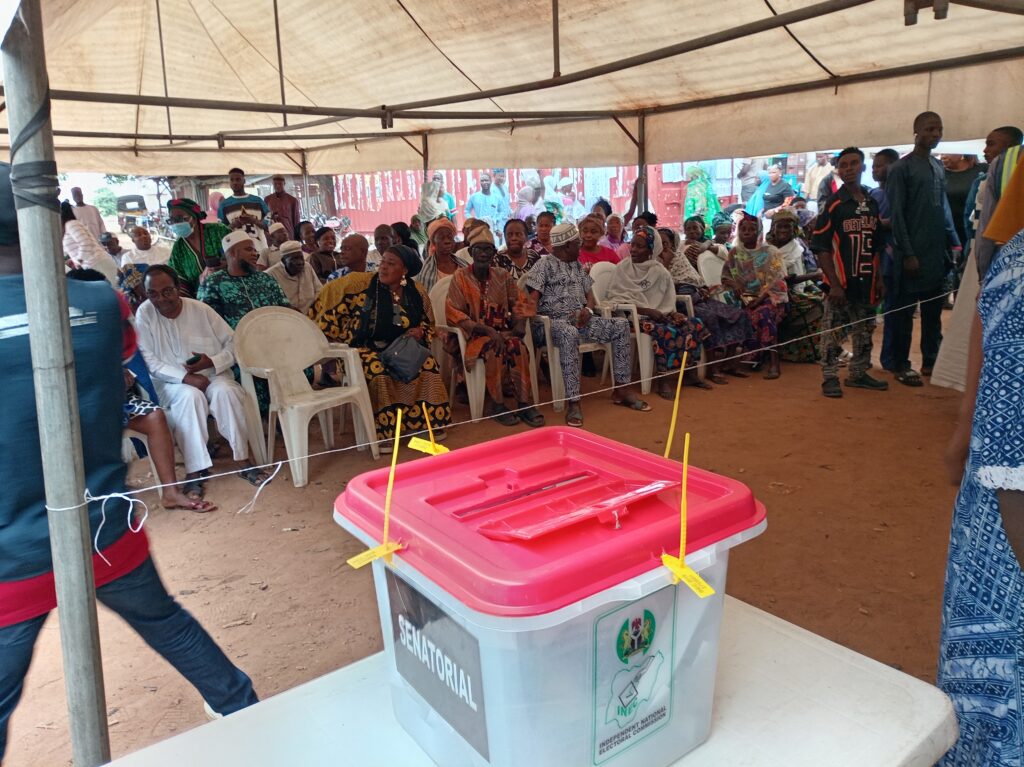
The atmosphere in some parts of the state early in the morning was surprisingly calm. At Unity One, Ataoja D, for instance, INEC officials were already on the ground as early as 7:15 a.m., while some voters were checking the lists posted at the polling unit to locate their names. The normally busy road was noticeably deserted.
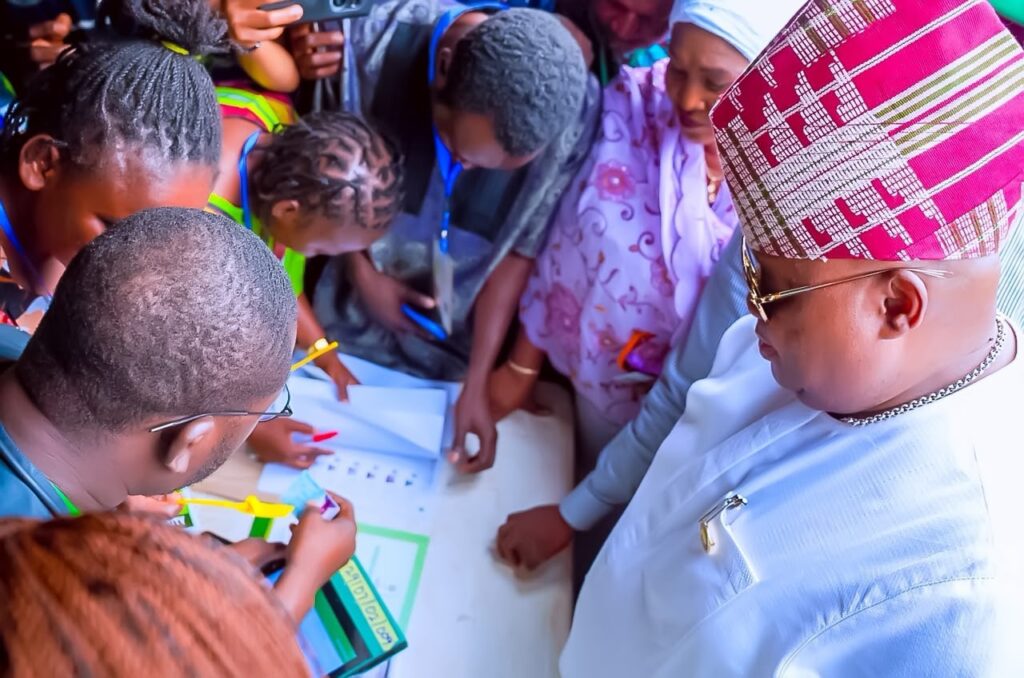
At INEC Polling Unit 005, Orisumbare Village, Alajue II Registration Area in Ede South Local Government Area, the electoral process was also being monitored closely.
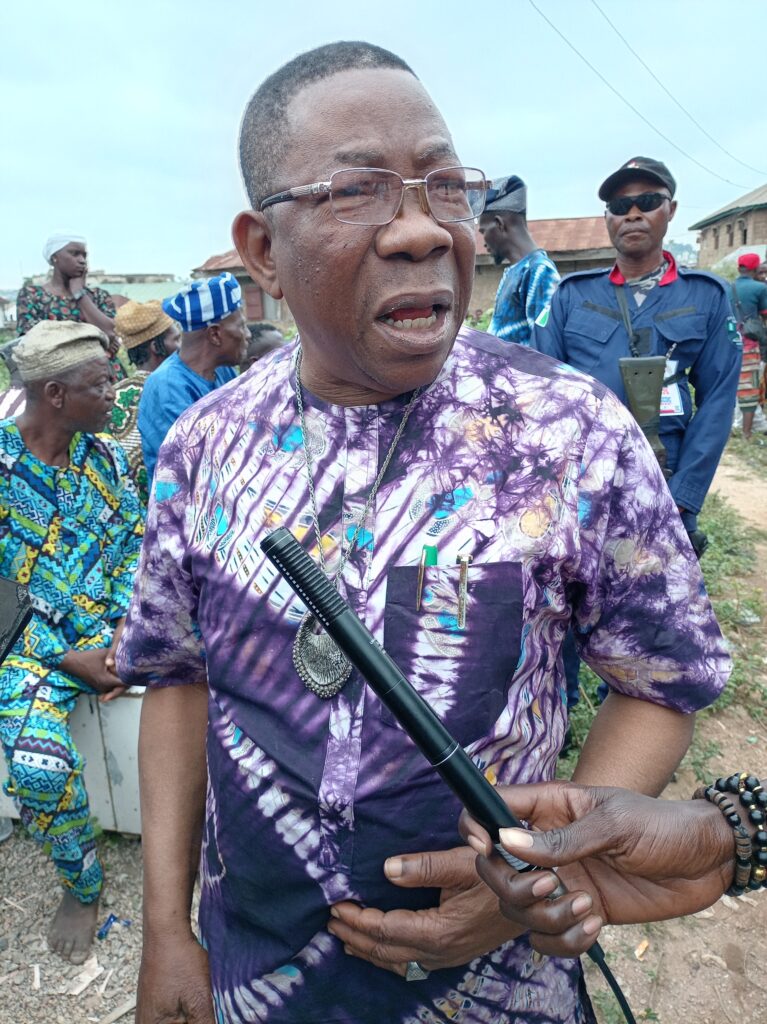
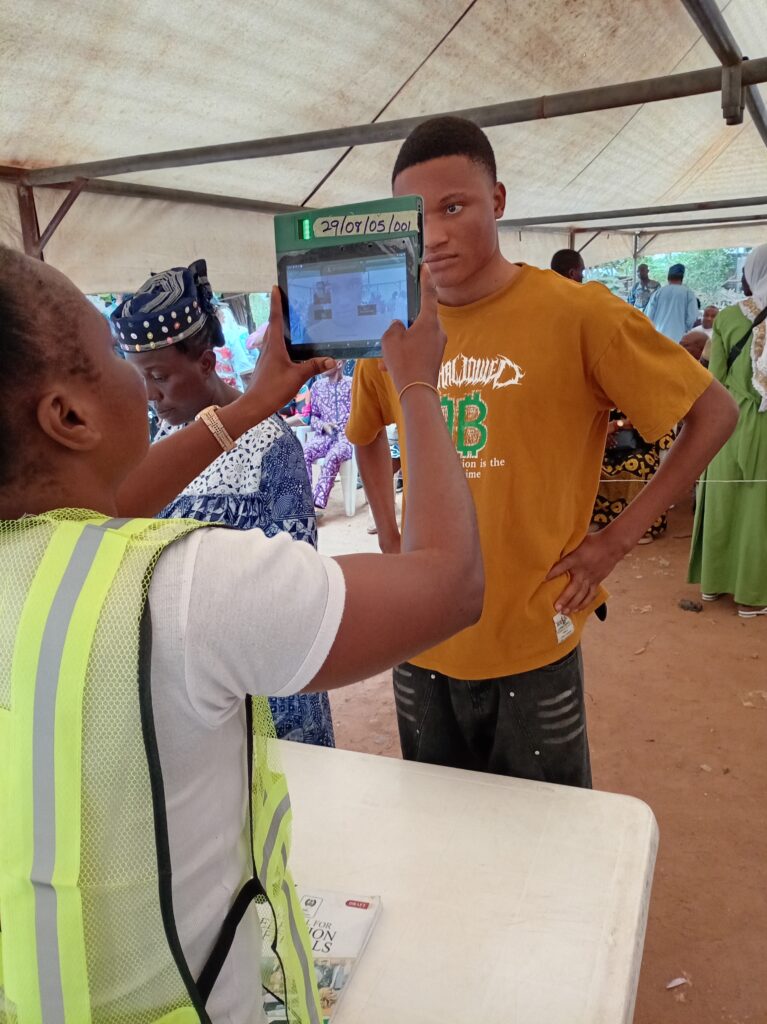
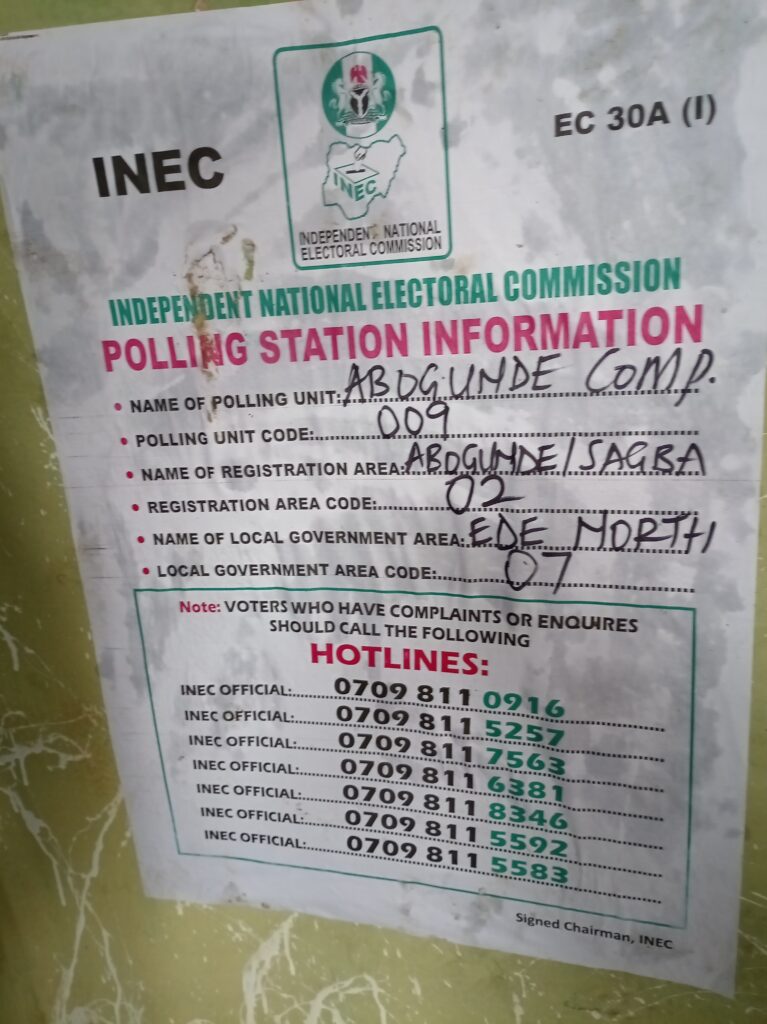
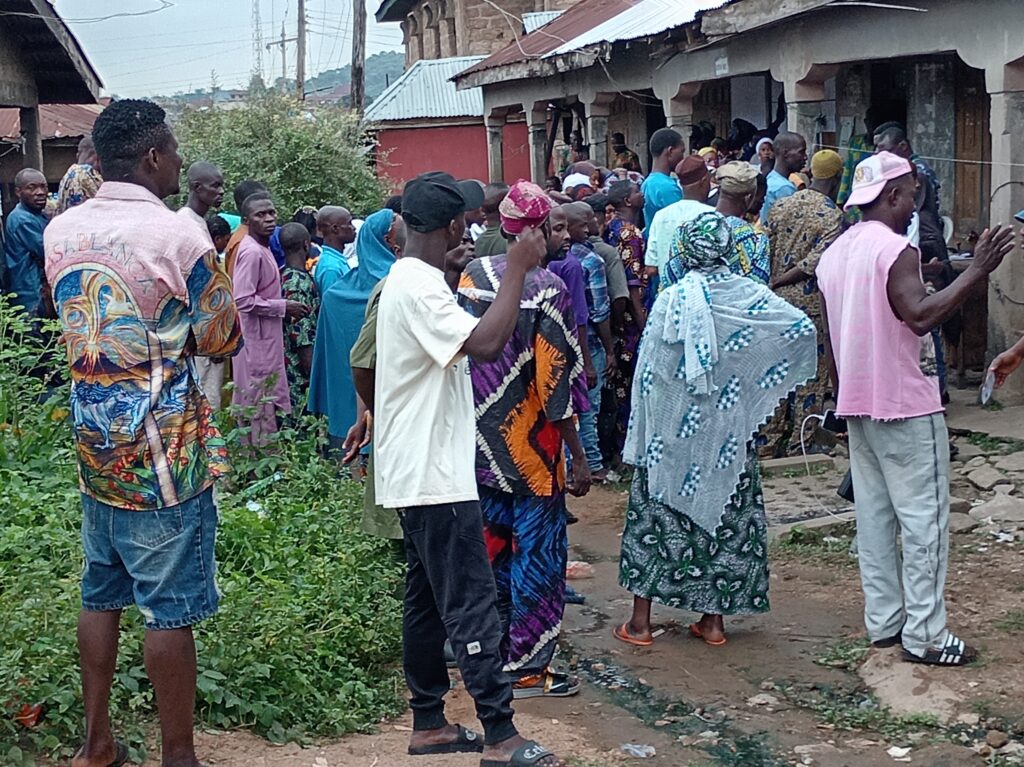
The Secretary to the Osun State Government, Alhaji Teslim Igbalaye, voted at Polling Unit 007, Igbalaye’s House, Alagba Registration Area, Osogbo Local Government Area. After voting, he alleged that the APC was involved in vote buying. Such allegations are serious, although accusations made by political actors during an election must always be subjected to independent verification before being treated as established facts.
There were also reports of technical difficulties in some areas. Honourable Muniru Raji, Special Adviser on Political Matters to Governor Adeleke, raised concerns about delays in voting in Olorunda Local Government Area, one of the areas with a large number of registered voters, attributing the delay to technical problems.
Despite the concerns, however, the election proceeded across the state, votes were counted and results were collated.
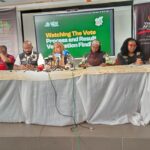
The post-election assessment by Yiaga Africa provides useful independent evidence for understanding what actually happened on Election Day. The organisation deployed 300 stationary observers, 32 mobile observers across the 30 Local Government Areas and 30 Local Government results collation observers. Its assessment was based on reports from 289 of the 300 sampled polling units, representing 96 per cent of its sample.
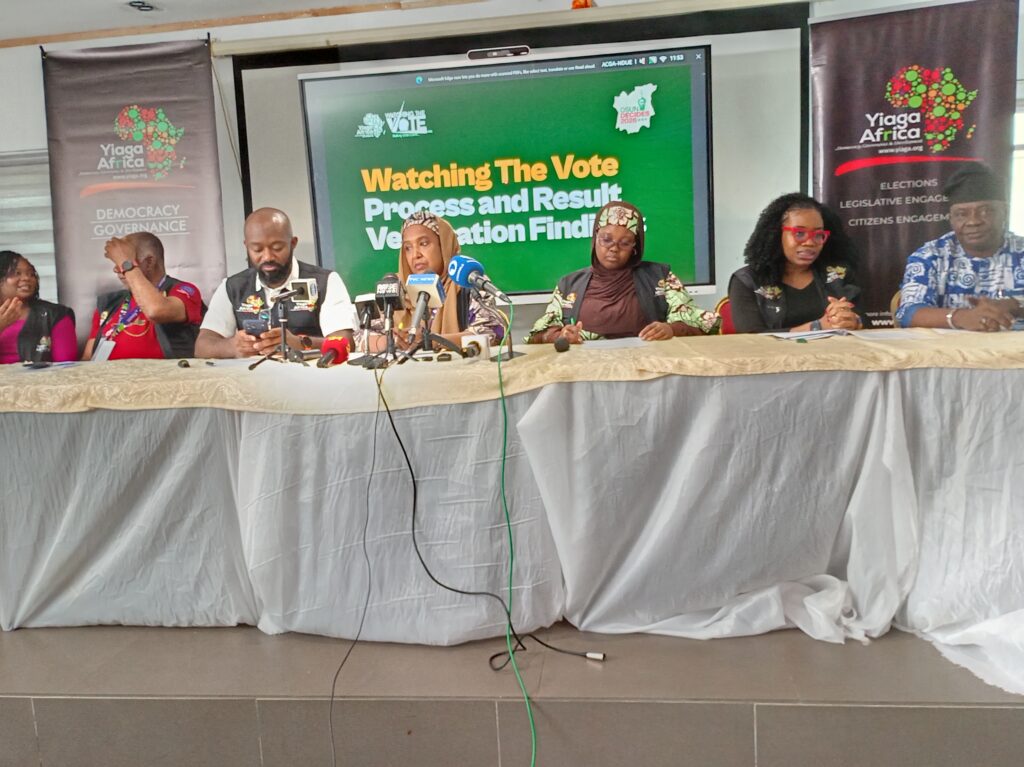
According to Yiaga Africa, INEC performed better than expected in election logistics despite the last-minute court-ordered inclusion of the Social Democratic Party, which forced the Commission to reprint ballot papers and result sheets only days before the election.
The organisation found that 48 per cent of sampled polling units had commenced accreditation and voting by 8:30 a.m., increasing to 96 per cent by 9:30 a.m. The figures compared favourably with its observations during the 2022 Osun governorship election.
The performance of the BVAS also deserves attention. Yiaga Africa said the technology functioned properly in 80 per cent of sampled polling units, while malfunctions occurred in 20 per cent but were subsequently resolved.
This is important because there had been fears that the technical difficulties witnessed during the mock accreditation exercise could create widespread problems on Election Day. Those fears did not materialise on a scale capable of undermining the election, although Yiaga Africa identified technical and implementation gaps that must be addressed before 2027.
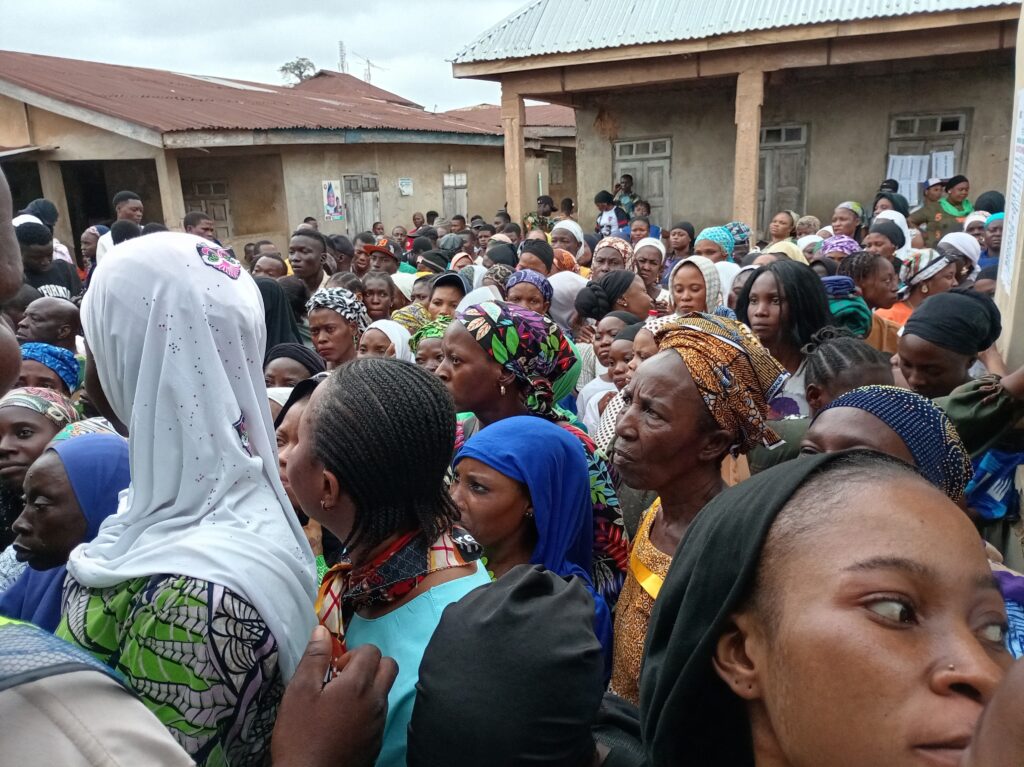
One of the most encouraging aspects of the election was the resilience of voters. Despite reports of attacks on Permanent Voter Card collection centres, politically linked violence, disputes over motor parks and inflammatory political rhetoric during the campaign, citizens still came out to vote.
Yiaga Africa estimated voter turnout at between 42.5 per cent and 44.8 per cent, while INEC announced an official turnout of 43 per cent. The official figure therefore fell within Yiaga Africa’s confidence interval.
Another significant development was the performance of the INEC Result Viewing Portal (IReV). Yiaga Africa said the platform reasserted its importance as a major tool for transparency in Nigeria’s results management.
However, the organisation raised concerns over an interruption in uploading results. According to Yiaga Africa, uploads stalled at 3,292 polling-unit results between 8:48 p.m. and 10 p.m., leaving 471 results outstanding before transmission resumed at approximately 11:50 p.m.
INEC needs to explain such interruptions promptly because public confidence in electronic results management depends not only on eventual publication but also on transparency when problems occur.
Yiaga Africa’s assessment of the security agencies was also significant. The organisation said their generally professional and restrained conduct on Election Day deserved acknowledgement, particularly against the background of violence and concerns about neutrality during the campaign period.
Most importantly, Yiaga Africa’s Process and Results Verification for Transparency (PRVT) estimates closely matched the official INEC results.
According to the organisation, Accord received 51.9 per cent of the official vote against its estimate of 52.1 per cent, with a margin of error of ±1.9 percentage points. The African Democratic Congress (ADC) received 1.7 per cent in both the official result and Yiaga Africa’s estimate, while the APC’s official result stood at 45.2 per cent against Yiaga Africa’s estimate of 44.9 per cent.
The organisation therefore concluded that the official results for the three major parties fell within its estimated ranges.
In simple terms, this means the official results announced by INEC were consistent with the ballots counted at the sampled polling units.

That finding is important to my argument because it means the political explanation for the election result should not be reduced to allegations of manipulation. An independent observation organisation has provided evidence that the official figures corresponded with what was observed at sampled polling units.
The election may have had shortcomings, including allegations of vote buying, isolated violence, technical problems and interruptions in electronic uploads, but the available independent evidence indicates that the final vote totals accurately reflected the ballots counted at polling units.
This, however, does not mean that everything about the election was perfect. Yiaga Africa expressed serious concern over widespread reports of vote buying and voter inducement. It also documented an incident in Boripe where voters were reportedly showing party representatives how they had marked their ballot papers, raising concerns about ballot secrecy.
The organisation also verified a clash between Accord and APC supporters at another polling unit in Boripe, where police intervened and safely escorted the INEC official and ballot box from the scene.
These incidents demonstrate that while the election may have been credible in terms of the accuracy of the final tabulation, the quality of the electoral process itself still requires significant improvement.
The Final Score: How the Three Major Contenders Performed
Boluwaduro LG
Accord – 7,118
APC – 7,050
ADC – 179
Ede South
Accord – 26,188
ADC – 390
APC – 6,219
Ife North
Accord – 13,879
ADC – 333
APC – 9,613
Ilesa West
Accord – 16,196
ADC – 673
APC – 12,756
Ifedayo LG
Accord – 7,427
ADC – 115
APC – 6,836
Ilesa East
Accord – 12,280
ADC – 504
APC – 16,208
Ife Central
Accord – 21,171
ADC – 747
APC – 15,913
Irepodun
Accord – 14,504
ADC – 249
APC – 15,713
Boripe
Accord – 12,448
ADC – 379
APC – 19,963
Obokun
Accord – 12,023
ADC – 205
APC – 16,120
Orolu
Accord – 12,352
ADC – 236
APC – 10,622
Osogbo
Accord – 36,480
ADC – 1,508
APC – 30,474
Oriade
Accord – 21,343
ADC – 423
APC – 14,863
Odo Otin
Accord – 18,003
ADC – 377
APC – 15,435
Ife East
Accord – 27,201
ADC – 935
APC – 18,600
Ifelodun
Accord – 21,107
ADC – 509
APC – 18,396
Atakumosa West
Accord – 7,479
ADC – 213
APC – 10,037
Iwo
Accord – 27,085
ADC – 588
APC – 19,660
Ede North
Accord – 35,427
ADC – 307
APC – 10,283
Ila
Accord – 16,211
ADC – 259
APC – 12,934
Irewole
Accord – 10,934
ADC – 275
APC – 29,972
Aiyedire
Accord – 11,073
ADC – 148
APC – 9,910
Atakumosa East
Accord – 7,872
ADC – 333
APC – 9,936
Egbedore
Accord – 19,278
ADC – 363
APC – 11,194
Aiyedaade
Accord – 16,681
ADC – 331
APC – 15,719
Isokan
Accord – 13,765
ADC – 384
APC – 14,063
Olaoluwa
Accord – 10,063
ADC – 213
APC – 10,782
Ife South
Accord – 13,507
ADC – 290
APC – 14,678
Ejigbo
Accord – 18,458
ADC – 5,053
APC – 16,195
Olorunda
Accord – 23,514
ADC – 666
APC – 24,671
The final figures tell an interesting political story. Governor Ademola Adeleke, who contested under the Accord Party, secured 511,067 votes, defeating the APC candidate, Asiwaju Munirudeen Bola Oyebamiji, who scored 444,815 votes. The ADC candidate, Najeem Salaam, scored 17,180 votes.
Adeleke therefore defeated Oyebamiji by 66,252 votes, while the ADC finished a distant third with 17,180 votes.
The Local Government results provide perhaps the clearest picture of how the election was won. Accord won 19 of the 30 Local Government Areas, while APC won 11.
APC victories included Ilesa East, Irepodun, Boripe, Obokun, Atakumosa West, Irewole, Atakumosa East, Isokan, Olaoluwa, Ife South and Olorunda.
Accord won Boluwaduro, Ede South, Ife North, Ilesa West, Ifedayo, Ife Central, Orolu, Osogbo, Oriade, Odo-Otin, Ife East, Ifelodun, Iwo, Ede North, Ila, Aiyedire, Egbedore, Aiyedaade and Ejigbo.
The figures show that the election was not a complete rejection of the APC. The party retained substantial strength in several Local Government Areas and recorded particularly strong performances in Irewole, Boripe, Obokun and Ilesa East.
But its strength was not enough to overcome Adeleke’s support in other parts of the state.
The result in Osogbo is particularly significant, with Accord securing 36,480 votes against APC’s 30,474. In Ede North, Accord recorded 35,427 votes against APC’s 10,283, while in Ede South, Accord scored 26,188 compared with APC’s 6,219. Iwo was another important result, with Accord scoring 27,085 votes against APC’s 19,660.
The APC, however, demonstrated that it remained a formidable political organisation in some areas. Its 29,972 votes in Irewole against Accord’s 10,934 was a strong showing. In Boripe, APC scored 19,963 against Accord’s 12,448, while in Ilesa East it recorded 16,208 against Accord’s 12,280.
What the results show is that neither party completely dominated Osun State. Rather, the election was decided by where each party’s strength was concentrated, how effectively those structures were mobilised and the ability of the candidates to convert political support into votes.
This is where the internal crisis of the APC becomes relevant.
The APC did not lose because it had no political structure. It lost despite having a substantial political structure. It lost in a situation where some political forces that might ordinarily have contributed to the party’s electoral strength were no longer fully aligned with it.
That is why internal party management must be taken seriously.
A political party preparing for an election cannot afford to treat aspirants, former office holders, influential stakeholders and their supporters as disposable simply because they have lost a primary or disagreed with the leadership. Every aspirant has supporters. Every former office holder has a network. Every political leader has people who listen to him or her.
When such people are pushed out without reconciliation, their political energy does not necessarily disappear; it can become an asset for the opposition.
The Osun experience should therefore be carefully studied by the APC before 2027. It should also be studied by the PDP, Accord and other political parties because the same mistake can happen to any party.
Another major lesson is that incumbency should never be confused with automatic victory. Adeleke had the advantage of being governor, but he still had to campaign, mobilise supporters and defend his record.
The APC had a well-known political platform, experienced politicians and a candidate with government experience, but political arithmetic is not simply about adding the number of politicians in a party. It is about whether those politicians are genuinely working together.
A party may have ten powerful leaders and still lose if those leaders are working at cross-purposes.
The election also demonstrated that political loyalty in Nigeria is becoming increasingly fluid. Adeleke’s support for President Tinubu, despite contesting under Accord, is a clear example of how local political competition does not necessarily follow the pattern of national alliances.
Voters are also becoming more interested in candidates, personalities, performance and immediate political interests rather than party labels alone.
Another issue that deserves serious attention is vote buying. Despite repeated warnings from INEC, security agencies, civil society organisations and election observers, allegations of vote buying continued to feature prominently before and during the election.
This remains one of the biggest threats to Nigerian democracy. When voters are offered money or material benefits in exchange for their votes, the electoral process is weakened because the emphasis shifts from policies and performance to immediate financial gratification.
The fact that election observers repeatedly identified vote buying as a major threat shows that the problem requires more than public warnings. It requires investigation, arrest, prosecution and conviction where evidence exists.
The same principle applies to electoral violence. The police warning that even their own personnel would face disciplinary or legal action if they compromised their duties was appropriate.
Election security cannot be credible if security officers are perceived as partisan.
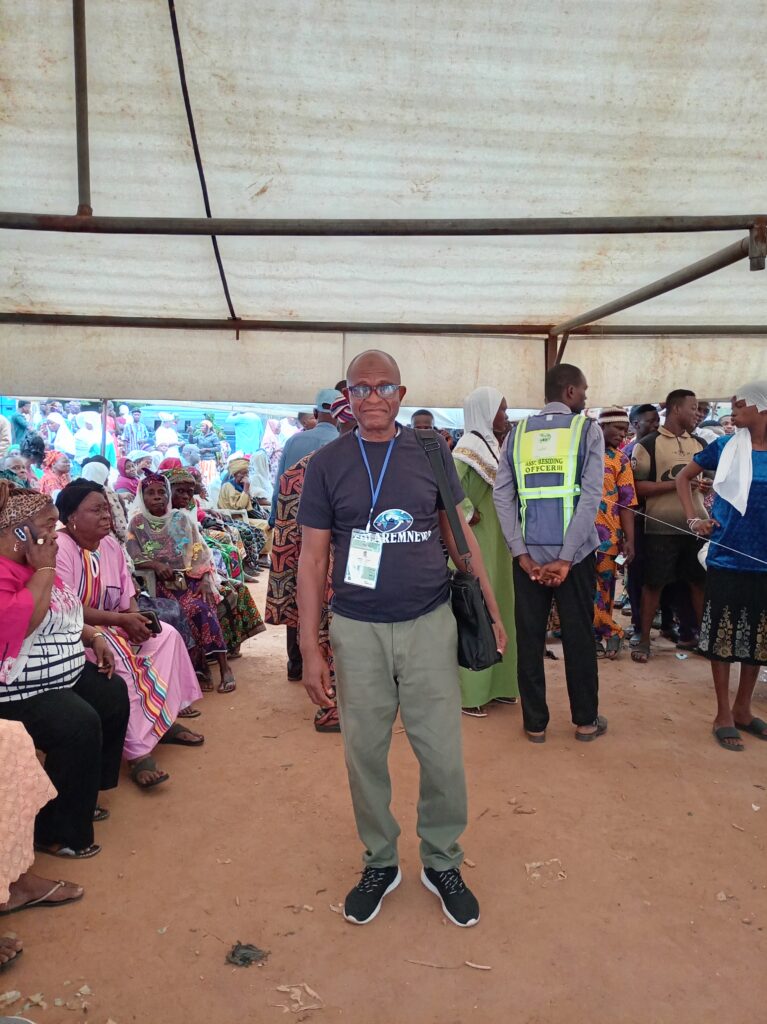
Journalists and observers also have an important responsibility. During the Osun election, media practitioners had to operate in an environment filled with political claims, counterclaims, allegations and social media reports. The temptation to publish unverified information is always high during elections because everyone wants to be first, but being first is not more important than being correct.
Conclusion
The Osun governorship election has provided an important reference point ahead of 2027.
Yiaga Africa’s assessment suggests that INEC, despite the challenges, was able to conduct the election with a level of operational efficiency that produced results consistent with what was observed at polling units. At the same time, the election exposed weaknesses in technology, voter inducement, ballot secrecy, political violence and internal party management.
For the APC in particular, the lesson is perhaps more political than technological: a political party can possess a strong candidate, a powerful national platform and experienced politicians and still lose if its internal house is not in order.
The Osun result therefore cannot be understood only through the popularity of Governor Adeleke. It must also be understood through the decisions taken by the APC before the election, the political structures that were lost or weakened, the alliances that were formed outside the party and the failure to adequately manage internal differences.
The election has shown that politics is not only about who contests an election; it is also about who is standing behind the candidate, who controls the grassroots structures, who has successfully reconciled aggrieved members and, most importantly, whether the party enters the election united.
In Osun, Adeleke had the advantage of incumbency and visible projects, but the division within the APC gave that advantage additional weight.
The final lesson is straightforward: political parties should never underestimate the power of reconciliation. A neglected political structure can become an opponent’s winning machine.
The result announced by INEC, and subsequently found to be consistent with Yiaga Africa’s independent verification, has now turned what was initially a political argument into a lesson that the country’s major political parties should study carefully before 2027.
Suleiman Aremu, CEO/Publisher, Solaremnews, writes from Ilorin.




No Comment! Be the first one.