




…Highlights B’Odogwu, data-driven operations, geospatial technology in Smart Customs modernisation drive
By Suleiman Aremu | Solaremnews | Sunday 1, November, 2026
The Nigeria Customs Service (NCS) has showcased its ongoing digital transformation efforts at the 2026 World Customs Organisation (WCO) Smart Customs Project Global Event held at the WCO Headquarters in Brussels, Belgium, from October 29 to 30.

The Service, represented by Assistant Comptroller Omolara Adedeji, presented Nigeria’s progress towards developing a technology-driven Customs administration through automation, digital platforms, artificial intelligence and data-driven operations.
The global event brought together Customs administrations, technology experts and international stakeholders to examine how emerging and disruptive technologies could strengthen Customs operations, improve border management and facilitate legitimate international trade.
The opening ceremony featured remarks by the WCO Deputy Secretary General, Mr Ricardo Treviño Chapa, while the Director General of the International Cooperation Department of China’s General Administration of Customs, Ms Xueyan Guo, and the Chairman of Armenia’s State Revenue Committee, Mr Eduard Hakobyan, delivered keynote addresses.
A major highlight of the first day’s programme was the formal launch and presentation of the updated WCO Study Report on Disruptive Technologies, which examined the report’s development, major findings and relevance to member countries.
The session also featured presentations by Customs administrations whose experiences were included in the updated report. They included Nigeria, represented by AC Adedeji, as well as officials from China’s General Administration of Customs and the Mauritius Revenue Authority.

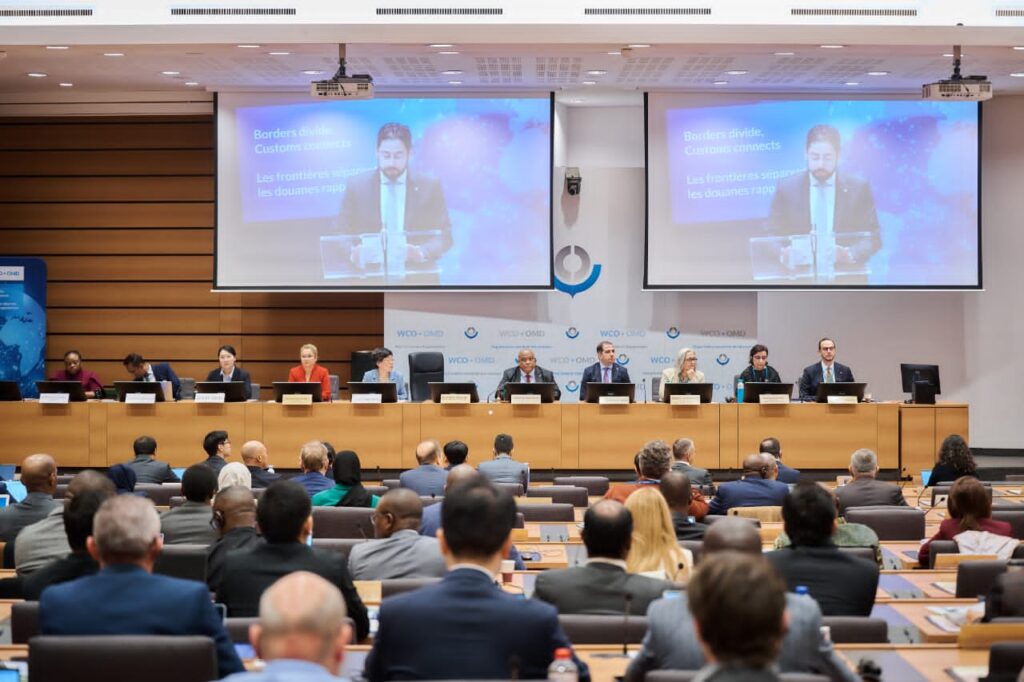
In her presentation titled “Nigeria Customs Service: The Journey Towards Smart Customs,” Adedeji explained how the Service was transitioning from traditional Customs operations characterised by manual processes to integrated digital operations under its Modernisation Project.
She identified the development and deployment of B’Odogwu, the Unified Customs Management System (UCMS), as a major component of the modernisation initiative, noting that the platform supports increased automation, electronic processing, data-driven decision-making and improved collaboration with government Ministries, Departments and Agencies (MDAs), as well as private-sector stakeholders.
According to her, the Service is deliberately moving away from traditional operational methods towards an integrated digital system designed to improve efficiency and responsiveness.
“The NCS is undergoing a deliberate transition from traditional Customs operations towards integrated digital operations. Through the Service’s Modernisation Project, we are strengthening automation, electronic processing and data-driven decision-making to build a more efficient, responsive and technology-driven Customs administration,” she said.
She explained that Nigeria’s Smart Customs vision rests on two major components: smart technology and smart data.
While smart technology encompasses automation, integrated systems, digital platforms and modern Information and Communications Technology (ICT) infrastructure, smart data focuses on intelligence-led interventions, data-driven risk management, analytics and improved information sharing.
Adedeji also highlighted the importance of human capacity development in sustaining the Service’s digital transformation, stressing the need to equip personnel with the technical knowledge and skills required to drive innovation and implement its Smart Customs vision.
She further identified the application of geospatial technology in various operational areas of the Service, including fleet management, asset management and the Electronic Cargo Tracking System (ECTS).
According to her, these technologies are extending the benefits of digital transformation beyond Customs declarations to improve operational monitoring, resource management and cargo visibility.
The presentation also highlighted the Service’s intention to move beyond basic process automation towards intelligent Customs operations, with priority areas including Artificial Intelligence (AI), Machine Learning (ML), predictive analytics, non-intrusive inspection, integrated border management, interoperability and real-time operational intelligence.
Adedeji said the adoption of these emerging technologies, alongside investments in personnel development, would help the Service anticipate operational risks, strengthen intelligence gathering and facilitate smoother international trade.
“By prioritising these technologies and investing in the people who will drive their application, we are working towards a system that anticipates risks, supports real-time operational intelligence and facilitates seamless trade,” she stated.
Other sessions at the global event focused on the deliverables of the WCO Smart Customs Project under its Artificial Intelligence/Machine Learning (AI/ML) and Blockchain packages.

These included technical reports, readiness self-assessment tools and practical case studies designed to support Customs administrations in understanding and adopting emerging technologies.
Another session examined AI governance and deployment readiness in Customs operations, bringing together experts and representatives from Cambodia, Mexico, Türkiye and Vietnam to discuss institutional preparedness, governance frameworks and the responsible application of artificial intelligence.
The participation of the Nigeria Customs Service at the global event provided an opportunity to present the country’s ongoing modernisation efforts and share its experience with other Customs administrations exploring technology-driven approaches to border management and international trade facilitation.


Other Articles

Pope Leo XIV Makes History As First Pontiff To Vote In US Election



No Comment! Be the first one.