




By Suleiman Aremu | Solaremnews | Wednesday, 9 September 2026
The Nigeria Customs Service (NCS) and the Cameroon Customs Administration have commenced a joint assessment of the Ekok-Mfum One-Stop Border Post (OSBP) as part of efforts to eliminate cross-border trade barriers, strengthen border security and promote deeper regional economic integration.
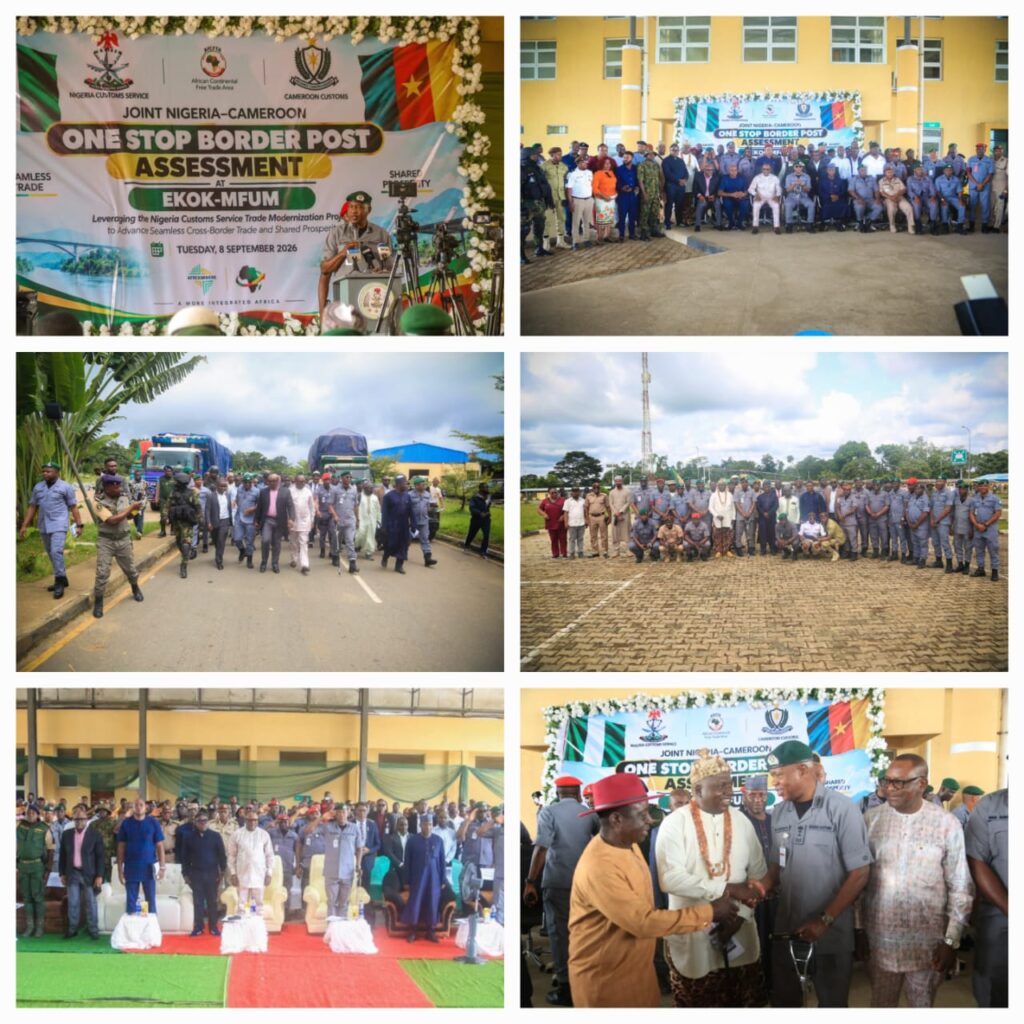
The high-level exercise, held on Tuesday, 8 September 2026, was themed, “Leveraging the Nigeria Customs Service Trade Modernisation Project to Advance Seamless Cross-Border Trade and Shared Prosperity.” It brought together senior customs officials, technical experts, security agencies, development partners and representatives of local communities from Nigeria and Cameroon.
Speaking during the exercise, the Comptroller-General of Customs (CGC), Adewale Adeniyi, described the initiative as a further demonstration of the longstanding cooperation between the two customs administrations.
Adeniyi noted that while Nigeria and Cameroon share close geographical ties and significant economic interactions, the movement of people and goods across the border continues to face avoidable challenges.
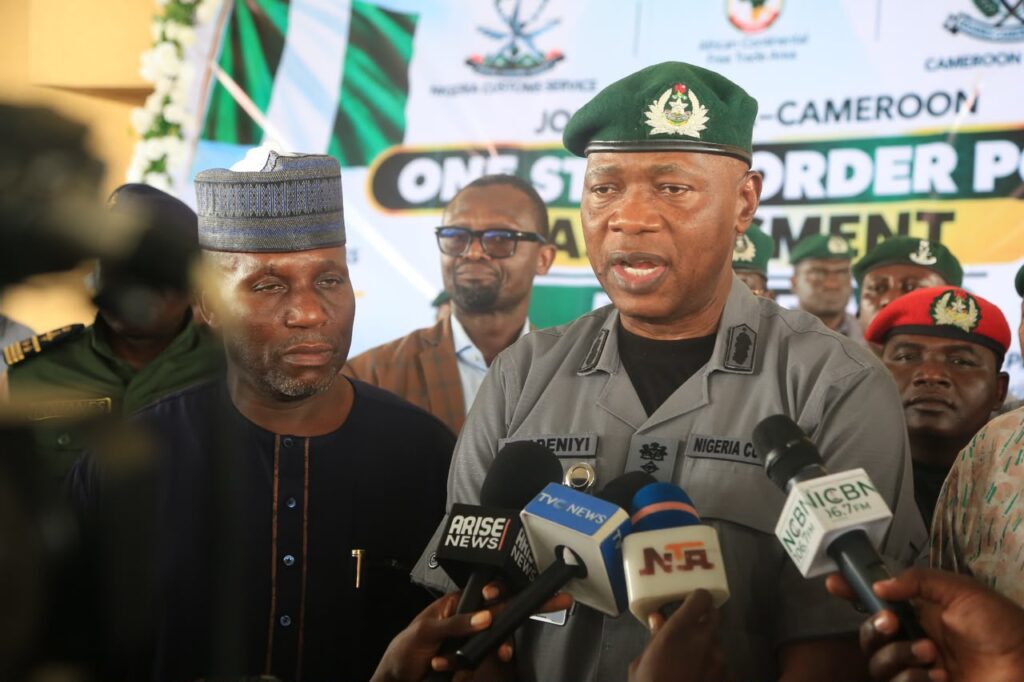
He said the current initiative was designed to build on existing cooperation between the two countries while developing a model that could support wider regional and continental integration.
“We are not building from nothing. We are taking something that works between the two of us and asking whether it can be made to work for the region and hopefully for our continent,” Adeniyi stated.
The Customs Comptroller-General acknowledged the contributions of major regional and international institutions, including the African Development Bank, Economic Community of West African States (ECOWAS), Economic Community of Central African States (ECCAS), African Export-Import Bank (Afreximbank) and the African Continental Free Trade Area (AfCFTA) Secretariat.
According to him, the collaboration is expected to facilitate more efficient border procedures while strengthening mechanisms for monitoring legitimate trade and addressing security concerns.
Adeniyi also disclosed that Nigerian and Cameroonian customs delegations had recently undertaken a study tour of the Beitbridge Border Post, which links South Africa and Zimbabwe, to examine international best practices in border management and trade facilitation.
He said the experience gained from the study tour was being incorporated into ongoing technical discussions between the two countries.
The technical teams, he added, are currently working towards finalising a joint operational agreement, which is expected to be signed at the forthcoming C-PACT conference.
The Director General of Cameroon Customs, Fongod Nuvaga, described the joint assessment as the first concrete step towards establishing more unified operations at the Mfum-Ekok border.
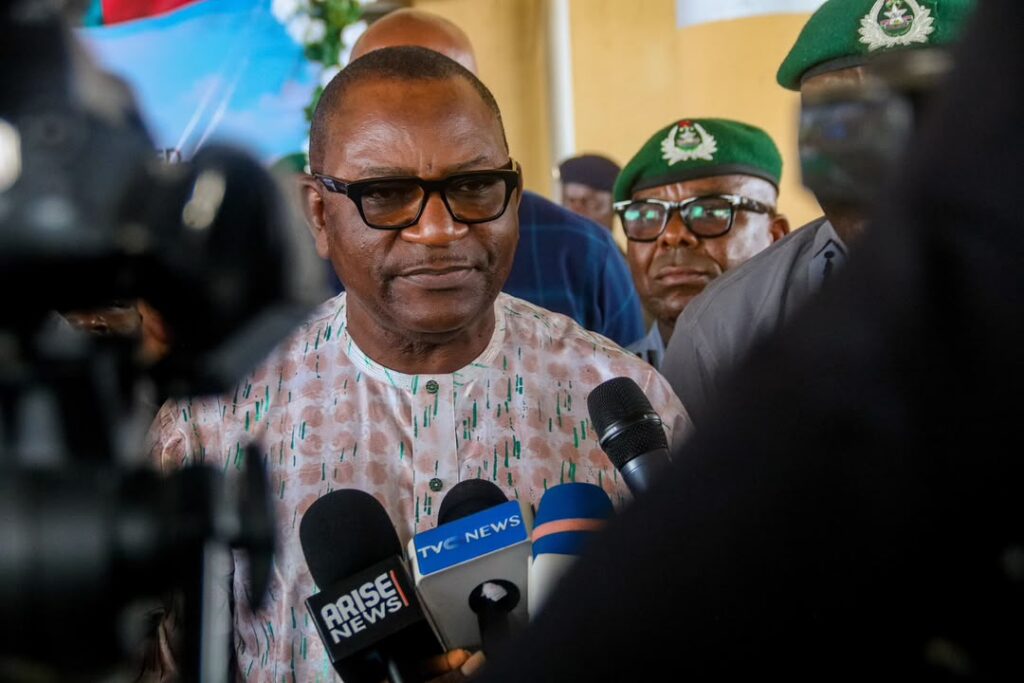
Nuvaga stressed the need for both countries to prioritise real-time information and data sharing as well as joint risk-management mechanisms.
He said effective collaboration would help ensure that cargoes and travellers are processed efficiently, reducing the need for repeated checks by agencies on both sides of the border.
The proposed approach is expected to reduce delays, lower the cost of cross-border transactions and improve the overall experience of traders and travellers using the border.
The initiative also places strong emphasis on the use of technology to modernise customs operations. The digitalisation of customs procedures is expected to improve transparency, enhance coordination between agencies and strengthen the ability of authorities to identify and manage potential risks.
The event culminated in the launch of the Mfum-Ekok Border Modernisation Initiative, a project driven by trade technology experts to transform operations at the border.
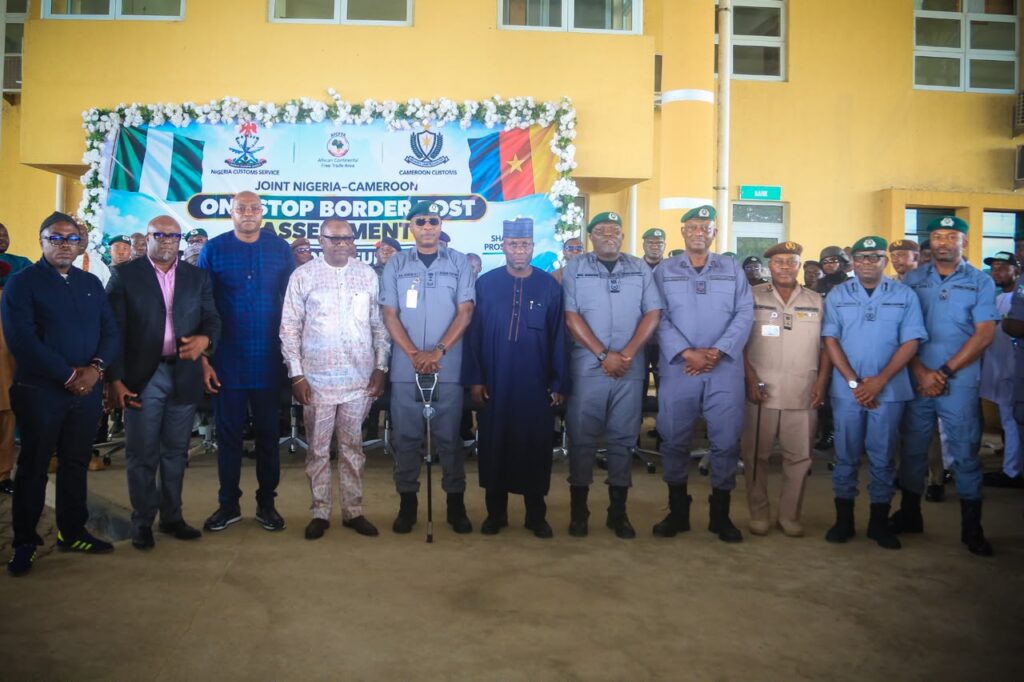
The initiative is expected to focus on digitising customs workflows, improving physical border infrastructure and creating new economic opportunities for communities and businesses operating around the Nigeria-Cameroon corridor.
The modernisation programme is also intended to support the objectives of the AfCFTA by making cross-border trade more predictable, efficient and less burdensome for legitimate businesses.
The Nigeria-Cameroon collaboration comes against the backdrop of growing efforts across Africa to remove non-tariff barriers, improve border infrastructure and strengthen customs cooperation as part of the continent’s broader economic integration agenda.
With the Mfum-Ekok initiative, both countries are seeking to transform the border from a point of administrative friction into a more efficient trade corridor capable of supporting commerce, security and shared economic prosperity.




No Comment! Be the first one.