




By Suleiman Aremu | Solaremnews | October 18, 2026
The Nigeria Customs Service (NCS) and the African Export-Import Bank (Afreximbank) have intensified discussions on a regional border-modernisation programme aimed at improving cross-border trade, strengthening Customs cooperation and advancing the objectives of the African Continental Free Trade Area (AfCFTA).
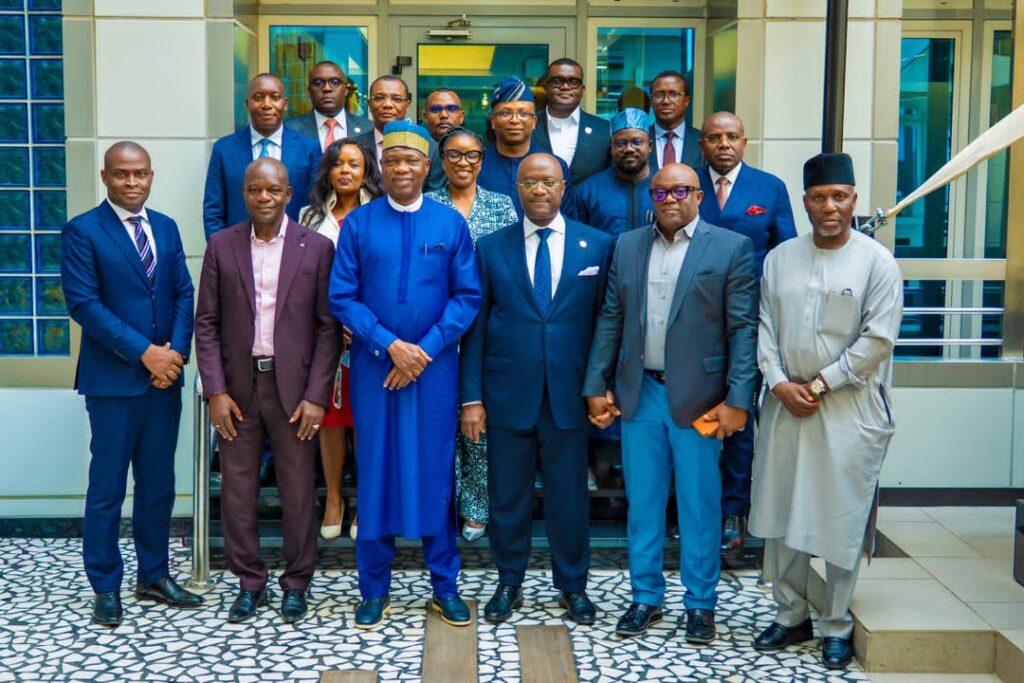
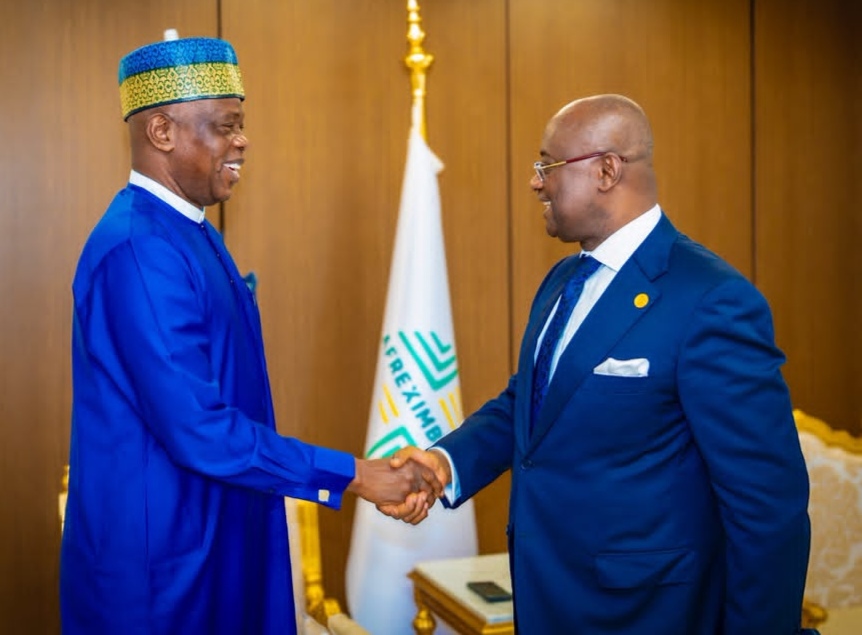
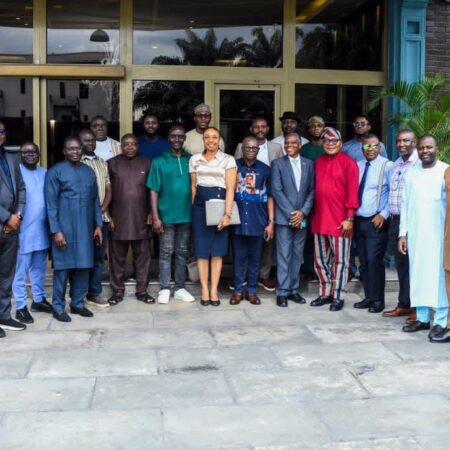
The discussions involved the Customs administrations of Nigeria, the Republic of Benin and the Republic of Cameroon during a high-level working engagement held at Afreximbank’s headquarters in Cairo, Egypt, on 12 October 2026.
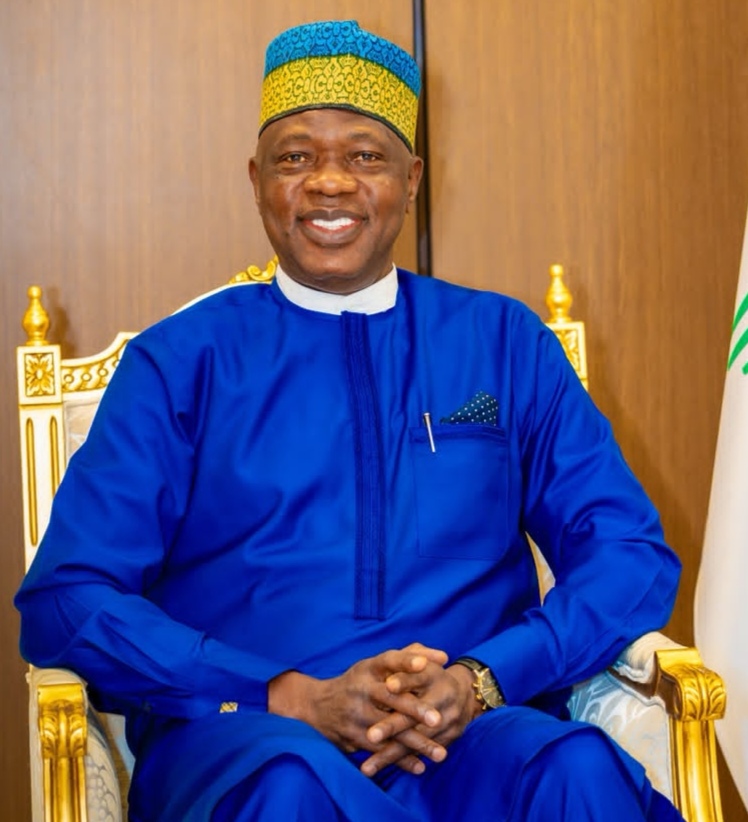
The engagement, led by the Comptroller-General of Customs, Bashir Adewale Adeniyi, MFR, followed a joint benchmarking mission to the Beitbridge Border Post in Zimbabwe in July 2026 and subsequent technical assessments of the Mfum–Ekok and Sèmè–Kraké border corridors.
According to a press release issued by the National Public Relations Officer of the NCS, Deputy Comptroller of Customs Abdullahi Maiwada, the meeting reviewed findings from the assessment missions, identified priority interventions and explored practical approaches to developing an integrated regional border-modernisation programme.
The discussions focused on combining digital infrastructure, harmonised Customs procedures, secure data exchange and institutional capacity development with investments in cargo scanners, weighbridges, access roads, reliable electricity, connectivity, traffic management and modern border-processing facilities.
Participants also considered Afreximbank’s potential participation in the next Customs Partnership for African Cooperation in Trade (C-PACT) and progress towards establishing regional and continental transit-guarantee arrangements.
A major component of the engagement was the proposed Customs Declaration Exchange System (CDES), designed to facilitate secure information exchange among Nigeria’s B’Odogwu platform, Benin’s Customs Webb and Cameroon’s CAMCIS.
Built around a common data model, the system is intended to enable export information generated in one country to support the advance preparation of import-manifest information in the receiving country.
The initiative is expected to reduce duplication of documentation, improve information flow and make cross-border transactions more predictable.
However, the receiving Customs administration will retain responsibility for validating the information, applying its national requirements, conducting risk assessments and authorising the clearance of goods.
Although development and technical testing of the system have been undertaken, further country-specific configuration, application programming interface integration, security assurance and pilot acceptance are still required before deployment.
The meeting also examined findings from the Beitbridge benchmarking exercise and technical assessments of the two priority border corridors.
The Beitbridge experience highlighted the importance of treating a modern border as an integrated operational system involving traffic segmentation, pre-arrival processing, risk-based controls, cargo scanning, transit monitoring, electronic payments, information technology command centres, reliable utilities, maintenance and effective governance.
At the Mfum–Ekok border corridor, the assessment identified shortcomings in dependable electricity supply, internet connectivity, information technology equipment, cybersecurity, technical support, scanner commissioning and coordinated single-stop border processing.
Similarly, the Sèmè–Kraké corridor faces challenges relating to incomplete joint procedures, limited live data exchange, non-functional cargo-scanning and weighing facilities, unreliable electricity, traffic congestion, inconsistent operating hours and unresolved responsibilities for maintaining shared infrastructure.
According to the NCS, the findings underscore the need to address immediate operational deficiencies while developing a properly assessed and costed long-term modernisation programme.
To move the initiative forward, Afreximbank proposed a two-stage approach beginning with independent engineering assessments and investment-cost studies at the two border posts.
The second stage would involve developing separate bankable project packages for the Nigeria–Benin and Nigeria–Cameroon corridors.
The proposed project-preparation process would cover transaction advisory services, legal due diligence, financial modelling and the identification of appropriate implementation and financing arrangements.
Afreximbank also outlined the potential use of its Project Preparation Facility to support the preparatory process, while technical partners, TMP and Bergmans Security Consultants and Supplies Limited, expressed willingness in principle to consider self-financing the preparatory work.
However, the engagement did not establish a final project cost, lending commitment, designated borrower, financing arrangement or implementation contract.
Participants nevertheless agreed on the importance of conducting direct site inspections, appointing designated technical focal points and developing a clear implementation roadmap covering one, three and six months, supported by a dated action matrix to guide subsequent engagements.
The proposed programme is expected to support more efficient border operations, improve cargo visibility, strengthen coordinated border management and facilitate legitimate trade across the participating countries.
The NCS, under the leadership of Adeniyi and his management team, reaffirmed its commitment to regional cooperation, border modernisation and trade facilitation in line with AfCFTA objectives.
The Service said it would continue engaging with its counterparts in Benin and Cameroon, Afreximbank and relevant technical partners to advance the required assessments, clarify project-preparation arrangements and develop practical and sustainable solutions for the two border corridors.
The initiative forms part of efforts to promote more efficient cross-border procedures and support the development of an integrated African trading environment.


Other Articles

NCDMB, Heritage Energy Train 48 Nigerians In Subsea Engineering
Gov, Okpebholo Turns Heat On Criminals, Secures Peace For Edo North



No Comment! Be the first one.