




By Suleiman Aremu | Solaremnews | Wednesday 14, October, 2026
The Nigeria Customs Service (NCS) has introduced measures to address cargo clearance delays, eliminate duplicated compliance checks and improve trade facilitation at the Lekki Free Trade Zone Command, Lagos.

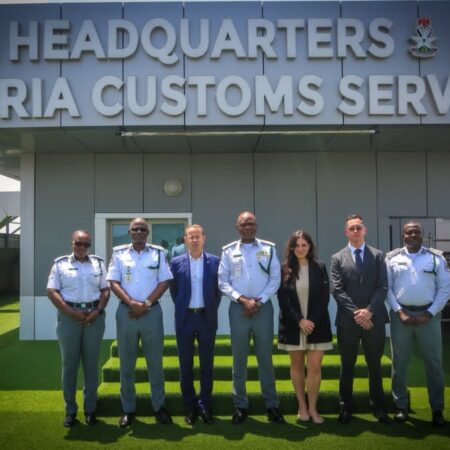
The Acting Customs Area Controller, Deputy Comptroller Olufemi Kukoyi, said the Command would prioritise digital customs processes, the National Single Window Project and the One-Stop-Shop (OSS) Post-Clearance Mechanism to simplify procedures for importers, exporters, manufacturers and logistics operators.
Kukoyi explained that the initiatives were designed to make cargo clearance more efficient and predictable, reduce transaction costs, strengthen revenue collection and improve the business environment while maintaining effective enforcement against smuggling, false declarations and other customs violations.
A major component of the reforms is the full operationalisation of the OSS Post-Clearance Mechanism, which is intended to streamline the resolution of transactions flagged for additional compliance checks after cargo has been released.
Under the arrangement, cases involving cargo valuation, classification and other compliance concerns would be channelled through the designated mechanism for comprehensive review and resolution, rather than exposing traders to multiple alerts and interventions along the cargo corridor.
The approach is expected to reduce unnecessary disruptions to legitimate trade while enabling Customs to investigate and address potential breaches of regulations.
For businesses operating within the Lekki Free Trade Zone, the initiative is intended to provide greater certainty in cargo movement and reduce delays arising from repeated administrative checks.
The Acting Controller also identified the National Single Window Project as a key element of the Command’s trade facilitation strategy.
The Federal Government’s initiative seeks to integrate relevant regulatory agencies through a digital platform that enables traders to submit documentation and obtain necessary approvals through a single point of access.
Kukoyi said the Command would support the full implementation of the project, noting that improved coordination among government agencies could reduce cargo dwell time, lower transaction costs and enhance the competitiveness of the Lekki Free Trade Zone.
He also highlighted the B’Odogwu Unified Customs Management System and other information and communication technology initiatives as important tools for improving operational efficiency.
According to him, the digital systems would support faster cargo processing, limit revenue leakages, strengthen accountability and improve the overall effectiveness of Customs operations.
The measures are also expected to support the Federal Government’s ease-of-doing-business agenda and the objectives of the Presidential Enabling Business Environment Council (PEBEC).
Despite the emphasis on faster cargo clearance, Kukoyi said revenue collection and enforcement would remain central to the Command’s operations.
He stressed the need to balance trade facilitation with the effective implementation of customs regulations, particularly in areas involving cargo valuation, import declarations and compliance requirements.
The Command is expected to sustain efforts to combat smuggling, false declarations and other activities capable of undermining government revenue and legitimate trade.
Kukoyi said his administration would build on the achievements of his predecessor, Comptroller Hauwa K. Abubakar, particularly in revenue generation, trade facilitation, enforcement and stakeholder management.
He commended Abubakar for laying what he described as a solid foundation for the Command and wished her a peaceful retirement.
The Acting Controller charged officers and men of the Command to demonstrate integrity, discipline and professionalism in the discharge of their duties.
He warned against compromise and unprofessional conduct, emphasising that the success of the Command’s objectives would require collective commitment from personnel, stakeholders and partner government agencies.
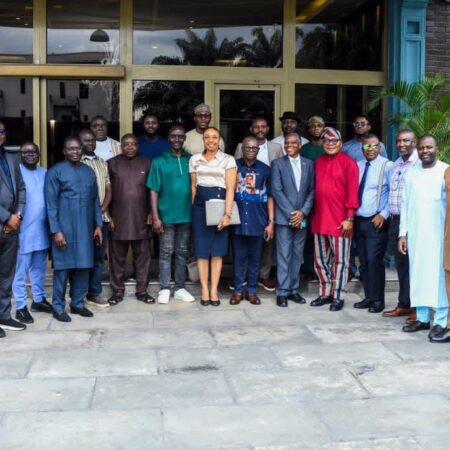
Kukoyi further called for stronger collaboration with stakeholders and sister government agencies, describing inter-agency cooperation as essential to national security, economic growth and efficient trade operations.
He expressed appreciation to the Comptroller-General of Customs, Bashir Adewale Adeniyi, for the confidence placed in him, pledging to align his administration with the Comptroller-General’s policy direction of Consolidation, Collaboration and Innovation.
The reforms come as efficient cargo clearance remains important to businesses that depend on the timely movement of goods through the Lekki Free Trade Zone and its associated trade infrastructure.
Importers, exporters, manufacturers and logistics operators stand to benefit from more coordinated regulatory procedures, reduced duplication of checks and improved access to digital documentation systems.
However, the practical benefits will depend on the effective implementation of the announced measures, the level of coordination among regulatory agencies and the speed at which compliance issues are resolved.
The key indicators of progress will include shorter cargo clearance times, reduced administrative delays, lower transaction costs and improved predictability for businesses.
While Kukoyi’s administration has outlined its priorities, measurable improvements in cargo processing and compliance procedures will determine the extent to which the reforms deliver on their objectives.
The initiative therefore places the Lekki Free Trade Zone Command at the centre of efforts to strengthen trade facilitation, improve customs administration and support a more efficient business environment without compromising revenue collection and regulatory enforcement.




No Comment! Be the first one.