




By Suleiman Aremu | Solaremnews | Thursday 8, October, 2026
The Comptroller-General of the Nigeria Customs Service (NCS), Adewale Adeniyi, has pledged the Service’s full support for Nigeria’s ambition to build a $1 trillion economy, stressing the need for effective implementation of economic policies and strategies to achieve the target.
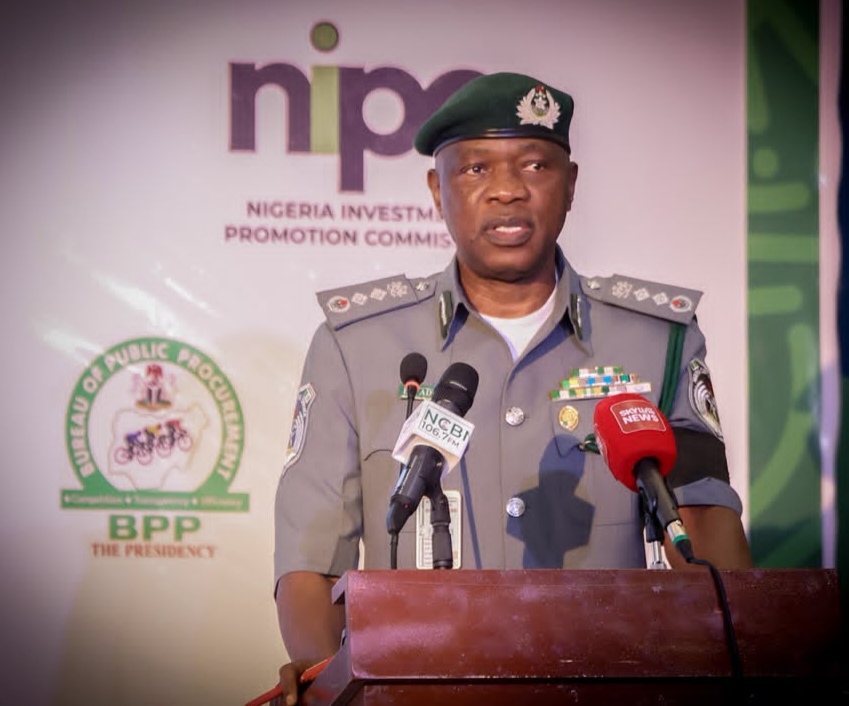
Adeniyi said the economic ambition was achievable if the plans and strategies developed to realise it were translated into concrete actions and measurable results.
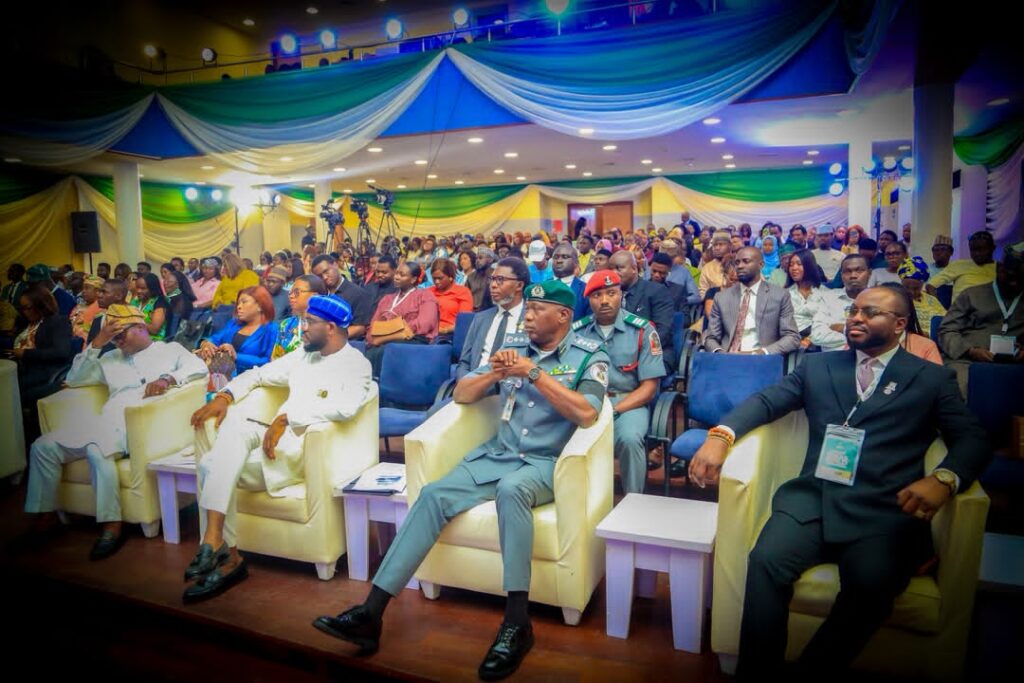
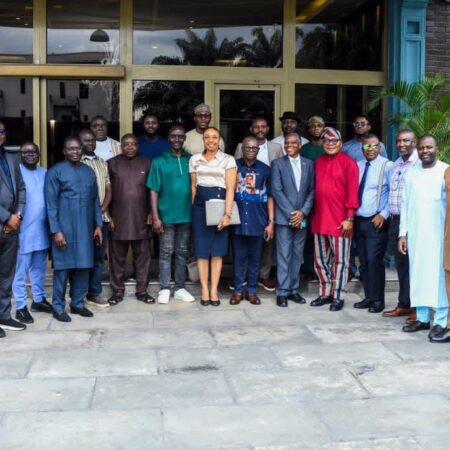
The Customs boss made this commitment on Tuesday, October 6, 2026, while delivering a keynote address at the New Nigeria Festival held at the Shehu Musa Yar’Adua Conference Hall in Abuja.
He emphasised that achieving the $1 trillion economy target required institutions to move beyond discussions and policy formulation to the practical implementation of initiatives capable of delivering tangible economic benefits.
According to him, the Nigeria Customs Service has already begun taking practical steps towards supporting the country’s economic aspirations through its ongoing modernisation reforms and initiatives aimed at improving trade facilitation, strengthening revenue generation and creating a more predictable business environment.
Adeniyi identified the deployment of B’Odogwu, the Authorised Economic Operator (AEO) programme and the Advance Ruling mechanism as some of the initiatives introduced by the Service to improve the efficiency of customs operations and facilitate legitimate trade.
He explained that the initiatives were designed to simplify trade processes, enhance transparency and predictability for businesses, and strengthen the Service’s contribution to national economic development.
The Comptroller-General stressed that the success of the reforms would depend largely on the ability to translate their objectives into measurable outcomes.
“Execution is nothing if it is not concrete. We have to move from ideas to action and ensure that whatever we plan translates into results. That is how we can begin to see the kind of transformation we are talking about,” he said.
He noted that while developing policies and strategies remained important, their impact would only become evident when they were effectively implemented and produced the desired results.
The Customs chief further stated that the responsibility for achieving Nigeria’s $1 trillion economy ambition could not be left to government agencies alone, stressing that the collective commitment of public institutions, businesses and citizens was essential to its realisation.
He maintained that all stakeholders had important roles to play in building a stronger economy, adding that the country’s economic transformation required a shared sense of responsibility and a commitment to delivering results.
Adeniyi also highlighted the strategic position of the Nigeria Customs Service in the country’s economic development, noting that its responsibilities in revenue collection, trade facilitation and border management placed it in a position to contribute significantly to the national economic agenda.
He explained that efficient customs administration could support legitimate businesses, improve the movement of goods across borders and create conditions that encourage economic activities.
The Service’s modernisation reforms, he indicated, formed part of its efforts to align customs operations with the demands of a changing economic environment and support the country’s broader development objectives.
The Comptroller-General therefore called for a shift from rhetoric to implementation, urging institutions and citizens to take ownership of their respective responsibilities and ensure that plans were translated into practical actions.
He reiterated that Nigeria’s ambition to build a $1 trillion economy could be achieved through effective execution, collective commitment and a sustained focus on measurable results.
Adeniyi’s pledge underscores the Nigeria Customs Service’s stated commitment to supporting the country’s economic growth through modernised operations, improved trade facilitation and more efficient revenue administration.


Other Articles
Abducted 20 Prospective Corps Members Regain Freedom In Imo


No Comment! Be the first one.