




Exercise aims to boost trade facilitation, transparency, compliance
By Suleiman Aremu | Solaremnews
Nigeria’s drive towards a fully digital trade ecosystem gathered further momentum as the Nigeria Customs Service (NCS), in collaboration with the National Single Window (NSW) Secretariat, commenced the maritime manifest submission phase of the National Single Window project with a sensitisation programme for Customs officers, shipping lines and other key maritime stakeholders.
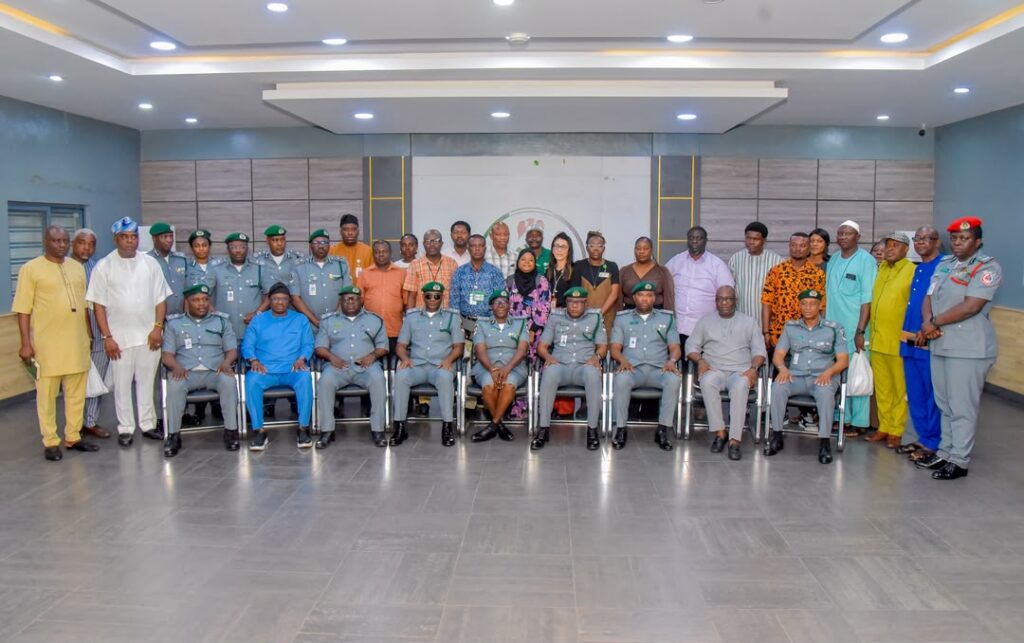
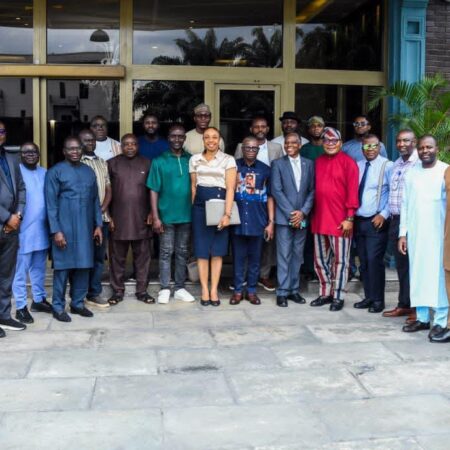
The sensitisation exercise, held at the Apapa Area Command on Tuesday, August 4, 2026, forms part of ongoing efforts to deepen stakeholders’ understanding of the digital platform and ensure seamless implementation of the initiative across Nigeria’s maritime sector.
Speaking at the event, the Deputy Comptroller-General of Customs in charge of ICT/Modernisation, Oluyomi Adebakin, said the programme builds on extensive stakeholder engagements conducted before and after the successful launch of Phase One of the National Single Window on March 27, 2026.

She described the National Single Window as a globally recognised trade facilitation platform that aligns Nigeria with international best practices while enhancing the country’s competitiveness in global commerce.
According to Adebakin, the implementation of the platform is already yielding positive results beyond the Nigeria Customs Service, with Nigeria recording improved standing in international trade.
“Since the introduction of the National Single Window, the country as a whole, not only the NCS, has begun to experience its benefits. Nigeria’s standing in international trade is improving, and the NCS remains committed to supporting the successful implementation of this initiative,” she said.
She explained that the National Single Window is designed not only to enhance revenue generation but also to facilitate trade, improve the quality and reliability of trade data, and strengthen anti-smuggling operations through more efficient information management.
Adebakin further assured stakeholders that the transition to electronic maritime manifest submission would not alter the statutory responsibilities of the Nigeria Customs Service.
“It is simply a more efficient and transparent method of submitting the same documents,” she stated, urging stakeholders to embrace the digital process for improved operational efficiency.



Also speaking, the Zonal Coordinator, Zone ‘A’, Assistant Comptroller-General of Customs Mohammed Babandede, reaffirmed the Service’s commitment to stakeholder engagement, noting that consultation with industry players has remained a defining feature of Customs reforms and digital transformation initiatives.
He emphasised the strategic importance of the sea manifest in cargo declaration, risk assessment and border security, calling on shipping companies to ensure prompt and accurate submission of compliant manifests.
“The sea manifest is central to cargo declaration and risk management. I urge shipping companies to submit compliant manifests promptly to support faster cargo clearance and efficient risk profiling,” Babandede said.
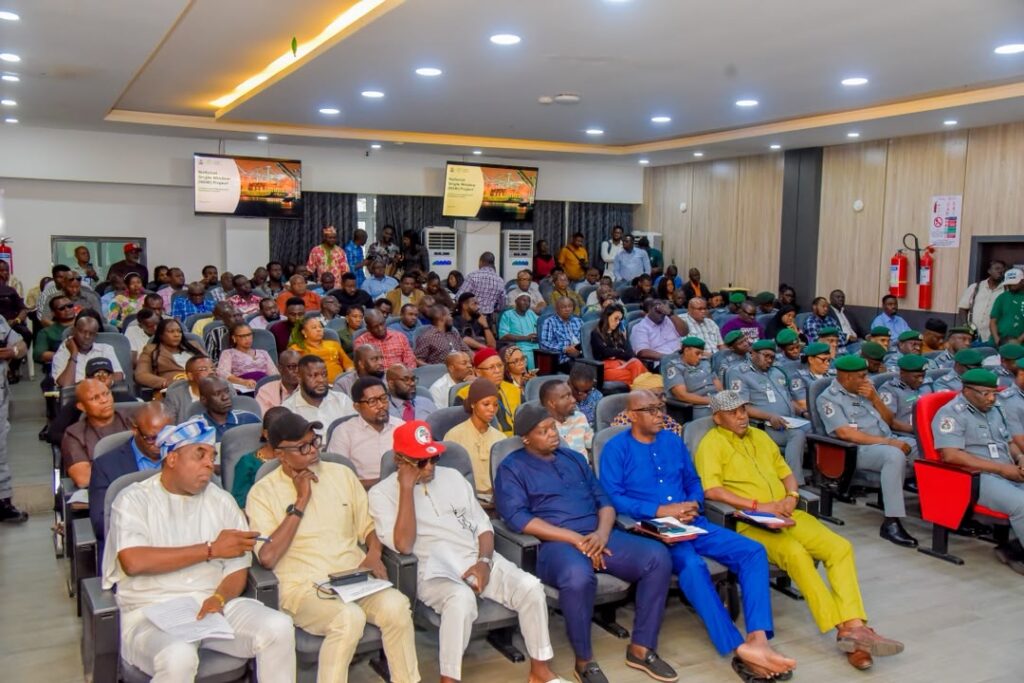

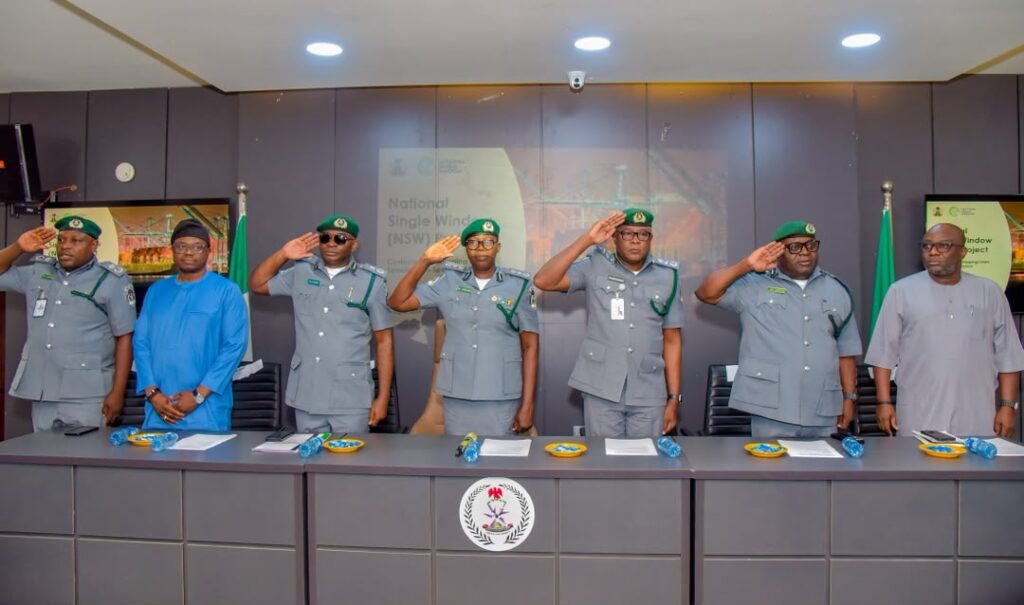
The National Coordinator of the National Single Window Project, Tola Fakolade, commended the Nigeria Customs Service for its sustained commitment to the successful implementation of the initiative.
He disclosed that the National Single Window platform has already recorded remarkable milestones, including the issuance of more than 100,000 licences and permits, as well as the registration of over 1,000 users, reflecting increasing adoption by stakeholders.
In his remarks, the Customs Area Controller, Apapa Area Command, Comptroller Emmanuel Oshoba, applauded participants for their active involvement during the sensitisation exercise and urged shipping companies, terminal operators and other stakeholders to sustain collaboration with both the Nigeria Customs Service and the National Single Window Secretariat.
He said stronger partnership among all stakeholders would accelerate trade facilitation, enhance regulatory compliance, improve transparency in cargo processing and reinforce Nigeria’s position as a competitive trading nation in the global maritime industry.






No Comment! Be the first one.