




By Suleiman Aremu | Solaremnews | Friday, October 23, 2026
The Nigeria Customs Service (NCS) and Trade Modernisation Project Limited (TMPL) have completed a two-week Factory Acceptance Test (FAT) for newly acquired Non-Intrusive Inspection (NII) equipment and an Electronic Cargo Tracking System (ECTS) in China ahead of their deployment to Nigeria.
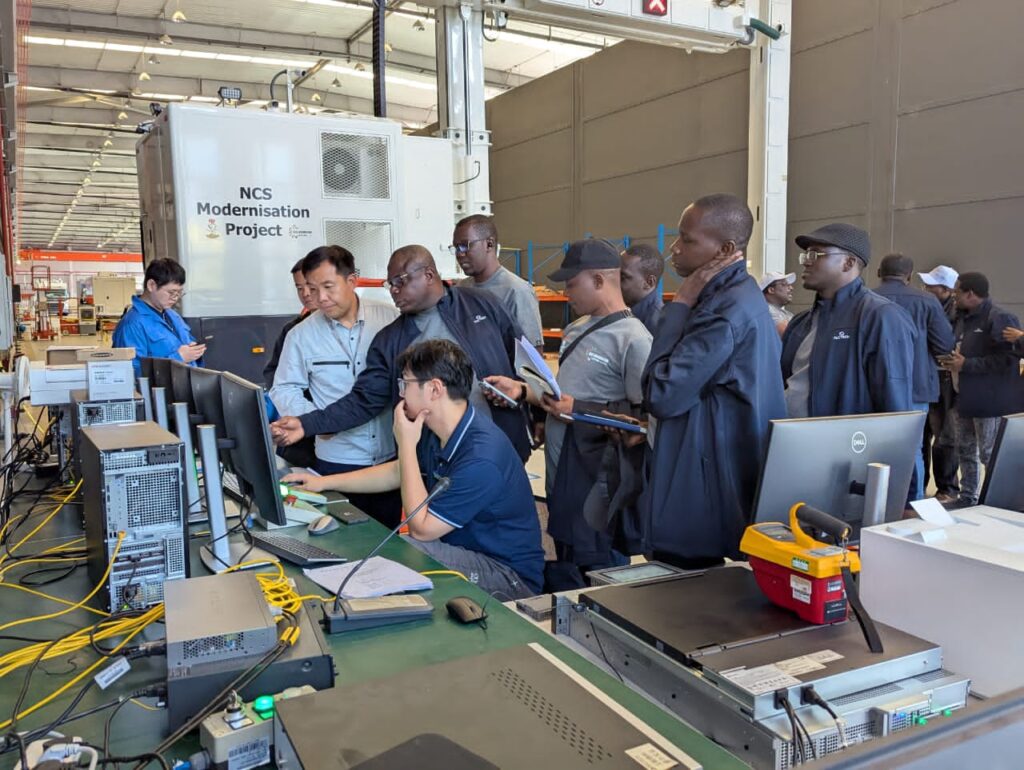
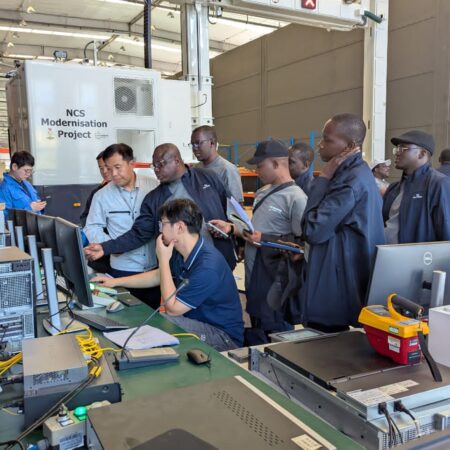
The exercise, which took place from October 9 to 20, 2026, at the facility of Nuctech Company Limited, the equipment manufacturer in China, was aimed at verifying the technical specifications, quality and operational readiness of the advanced systems before shipment to Nigeria.
The delegation was led by the Deputy Comptroller-General of Customs in charge of the Information Communication and Technology/Modernisation Department, Oluyomi Adebakin, and comprised technical experts from the Nigeria Customs Service and TMPL.
The newly acquired scanners and electronic tracking system are designed to operate together to strengthen cargo examination, improve real-time monitoring of consignments from ports to their destinations, and enhance the efficiency of Customs operations.
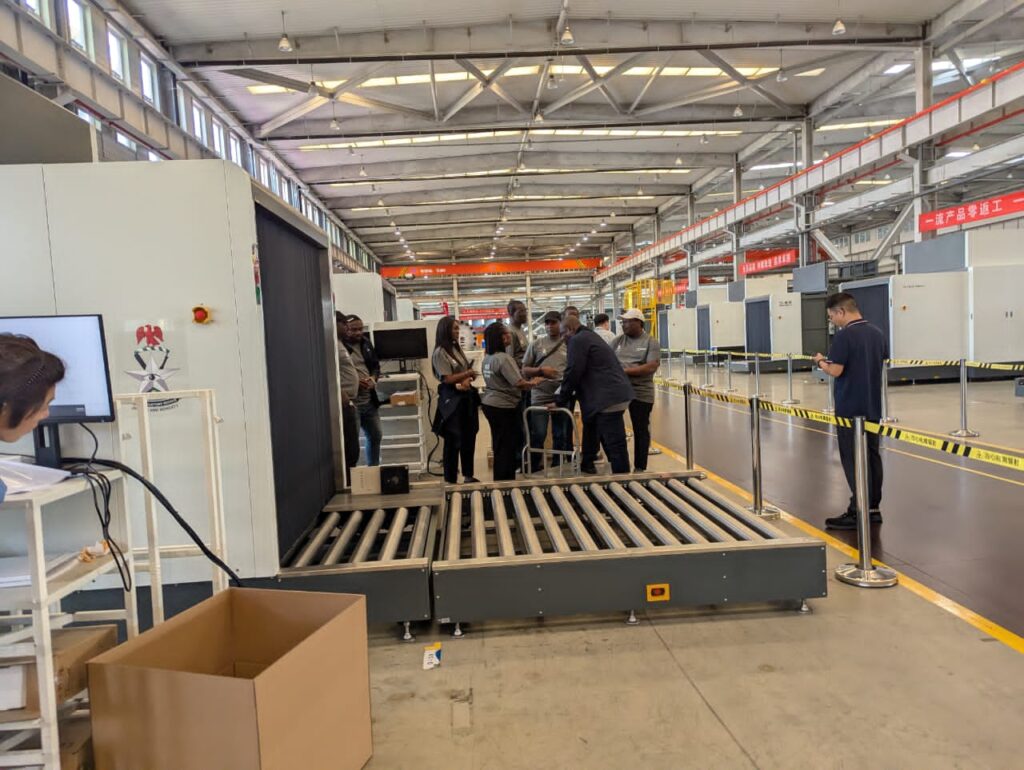
Speaking during the exercise, Adebakin reaffirmed the commitment of the Comptroller-General of Customs, Adewale Adeniyi, to deploying modern technology to facilitate legitimate trade, optimise revenue generation and strengthen national security.
She explained that the Factory Acceptance Test was an essential quality-assurance process to ensure that the equipment met contractual specifications and international operational standards before being shipped to Nigeria.
According to her, the initiative reflects the Service’s determination to adopt advanced and fit-for-purpose technology capable of accelerating cargo examination, reducing cargo dwell time, detecting concealed and prohibited items, and improving revenue collection.
“The Nigeria Customs Service, under the leadership of CGC Adeniyi, is committed to ensuring that we deploy only cutting-edge, fit-for-purpose technology that will fast-track cargo examination, reduce dwell time, and enhance our ability to detect concealments and prohibited items, improve revenue generation, as well as facilitate legitimate trade,” Adebakin said.
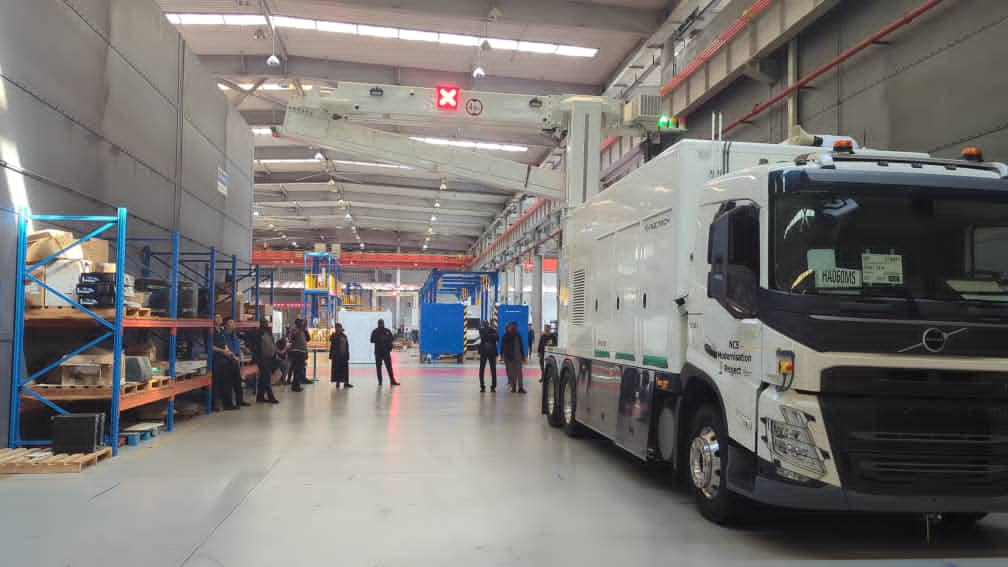
She added that the deployment of the equipment would strengthen the Service’s capacity to deliver more efficient and effective Customs operations while supporting trade facilitation and national security objectives.
Also speaking, the Acting Comptroller of Non-Intrusive Inspection, Deputy Comptroller of Customs Umar Madugu, said the introduction of the scanners and the Electronic Cargo Tracking System would significantly reduce reliance on 100 per cent physical examination of cargo.
Madugu explained that the technology would help minimise human contact during cargo inspection, curb cargo diversion and improve operational efficiency across Customs formations.
The integration of the scanners with the electronic tracking system is expected to provide Customs officers with improved visibility over cargo movements, enabling more effective monitoring of consignments and helping to address irregularities along the supply chain.
On the part of Trade Modernisation Project Limited, the company’s General Manager, Bamidele Chinedu, described the Factory Acceptance Test as a significant milestone in the implementation of the Trade Modernisation Project.
Chinedu stressed that the integration of Non-Intrusive Inspection scanners and the Electronic Cargo Tracking System was central to establishing a transparent, efficient and technology-driven Customs administration.
He noted that the combined systems would support the modernisation of cargo processing and monitoring, while strengthening accountability and operational effectiveness within the country’s trade and Customs environment.
Meanwhile, Niu Chao, Project Manager at Nuctech Company Limited, reaffirmed the company’s commitment to delivering world-class equipment and providing the technical support required for successful deployment and long-term operation in Nigeria.

Chao also highlighted the company’s commitment to capacity building and after-sales services to ensure that the equipment continues to function effectively after installation.
As part of the two-week exercise, technical experts from the Nigeria Customs Service and TMPL received training on the handling, operation and maintenance of the scanners and the Electronic Cargo Tracking System.
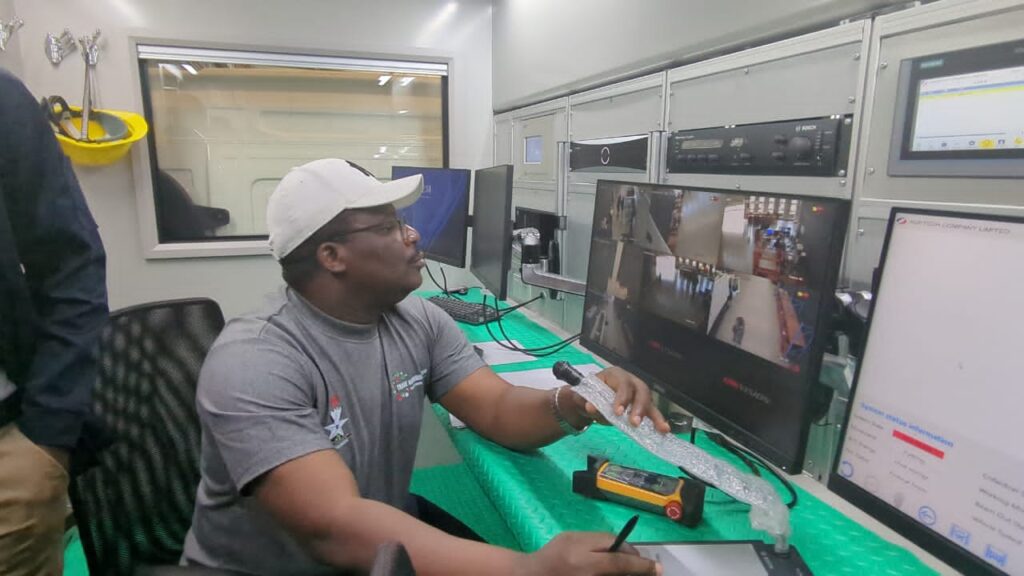
The training was designed to equip the personnel with the necessary technical knowledge and operational skills to ensure smooth deployment, effective utilisation and sustainable maintenance of the equipment in Nigeria.
The successful completion of the Factory Acceptance Test marks an important step towards the deployment of the new systems, which are expected to strengthen cargo inspection, improve tracking capabilities and support the Nigeria Customs Service’s broader drive towards technology-led operations.
The initiative also underscores the growing emphasis on modern inspection and tracking solutions as tools for improving trade facilitation, strengthening border controls, curbing cargo diversion and safeguarding government revenue.


Other Articles

Ansarul Islam Society Celebrates Professor Oba Abdulraheem At 79




No Comment! Be the first one.