




By Suleiman Aremu | Solaremnews | Sunday, 13 September, 2026
Leaders of Scotland, Wales and Northern Ireland are set to intensify their demands for greater constitutional autonomy, with a joint declaration on the right to hold independence referendums expected to be signed at a summit in Cardiff on Monday.
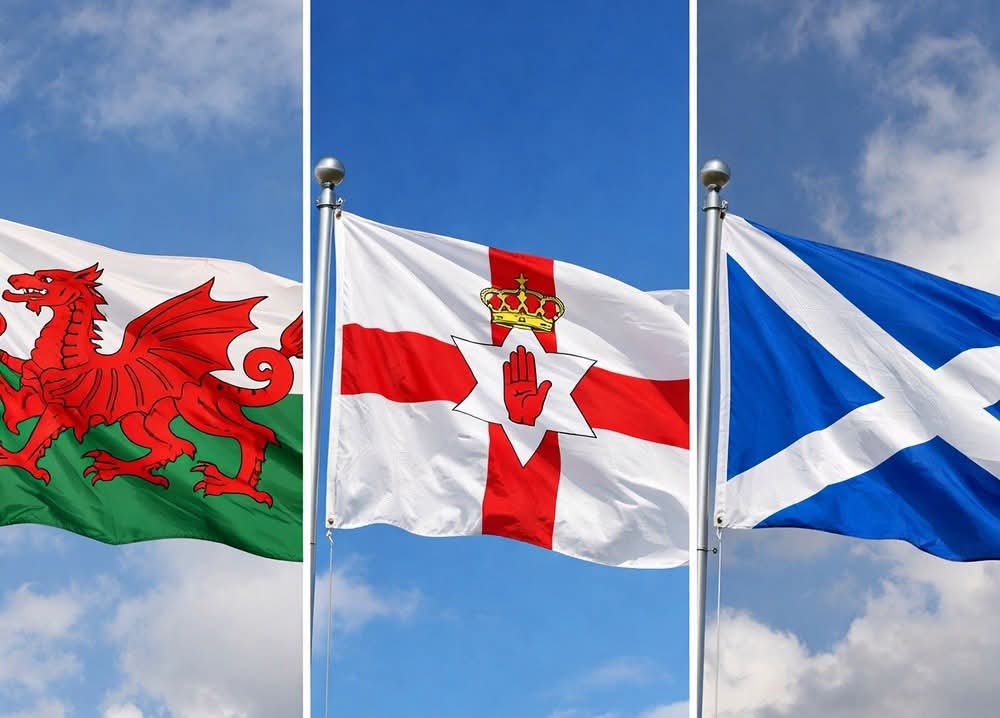
The unprecedented meeting is expected to bring together Scottish First Minister John Swinney, Welsh First Minister Rhun ap Iowerth and Northern Ireland First Minister Michelle O’Neill, alongside Sinn Fein President Mary Lou McDonald.
The summit, to be held at the St David’s Hotel overlooking Cardiff Bay, is expected to focus on constitutional issues and strengthen cooperation among the participating leaders as they push for their respective nations to have greater control over their political futures.
The meeting comes amid renewed pressure on United Kingdom Prime Minister Andy Burnham over the question of Scottish independence.
Burnham has indicated that another referendum on Scottish independence could be considered if there is a “clear consensus” in favour of such a vote.
The issue has also been given fresh international attention following comments by United States President Donald Trump during his visit to Dublin, where he expressed support for the prospect of a united Ireland.
Trump reportedly said he would “love” to see a united Ireland and described Northern Ireland joining the Republic of Ireland as “a great thing”.
The renewed constitutional debate follows recent elections in the devolved nations, where parties advocating greater autonomy or independence have strengthened their positions.
In Wales, Plaid Cymru emerged as the largest party in the Welsh Senedd after the May elections, with its leader, Rhun ap Iowerth, becoming First Minister.
In Scotland, the Scottish National Party remains the dominant political force despite losing six seats in the Holyrood elections, while Sinn Fein continues to lead politically in Northern Ireland.
Swinney said the developments represented a significant change in the constitutional debate and argued that Westminster could no longer ignore growing demands for political change.
He maintained that the emergence of pro-independence first ministers in Scotland, Wales and Northern Ireland represented a clear indication that the existing constitutional arrangement was under increasing pressure.
According to Swinney, the momentum behind constitutional change was becoming increasingly difficult for Westminster to ignore, adding that the United Kingdom government should prepare for what he described as a possible “post-UK future”.
The planned declaration is expected to emphasise the right of Scotland, Wales and Northern Ireland to self-determination while putting additional political pressure on Burnham’s government.
The debate over Scottish independence has also been linked to the constitutional arrangements governing Northern Ireland. Burnham previously told the House of Commons that the circumstances surrounding a potential Scottish separation vote were comparable to the situation in Northern Ireland.
Under the Good Friday Agreement, a referendum on Irish reunification can be held if it appears likely that a majority of voters in Northern Ireland would support leaving the United Kingdom and joining the Republic of Ireland.
The Cardiff summit is consequently expected to further fuel discussions about the future structure and unity of the United Kingdom.
With the three devolved nations seeking a coordinated approach to constitutional change, the meeting could mark a significant development in the long-running debate over independence, devolution and the future political relationship between Westminster and the nations of the United Kingdom.


Other Articles

NNPC Targets 600tcf Gas Reserves, 12 Bcf/d Production By 2030
OGSPAN Urges Tinubu To Intervene As Petrol Gantry Price Rises To ₦1,350

No Comment! Be the first one.